15 Minutes With Jimmy Chin: Love, Loss and the Art of Suffering
The Oscar-winning filmmaker talks friendship, Everest, the responsibilities of filming close friends, and finding time for a cup of tea and a biscuit.
Ahead of the London premiere of Everest: The Other Side, I sat down with Jimmy Chin.
Climber, skier, photographer, Oscar-winning filmmaker and father. A man with a fairly extraordinary collection of jobs, yet refreshingly grounded about the whole business.
We talked about the heart of his new film, the challenges of documenting the lives of close friends, and whether he ever manages to put his feet up with a cup of tea and a biscuit.
Here's our conversation.
Zak: You’re a climber, skier, photographer, Oscar-winning filmmaker — and a dad. Do you consider yourself to have a proper job, or is it a whopping great excuse to get out skiing and climbing?
Jimmy: I certainly don’t get to climb and ski as much as I’d like. As the saying goes, if you love your job, you never work a day in your life. But that’s not entirely true either, because I do work a lot.
I’m passionate about my work. I care a lot. There are days when it definitely feels like a job, and there are days when it’s incredible and beautiful and everything I want to be doing.
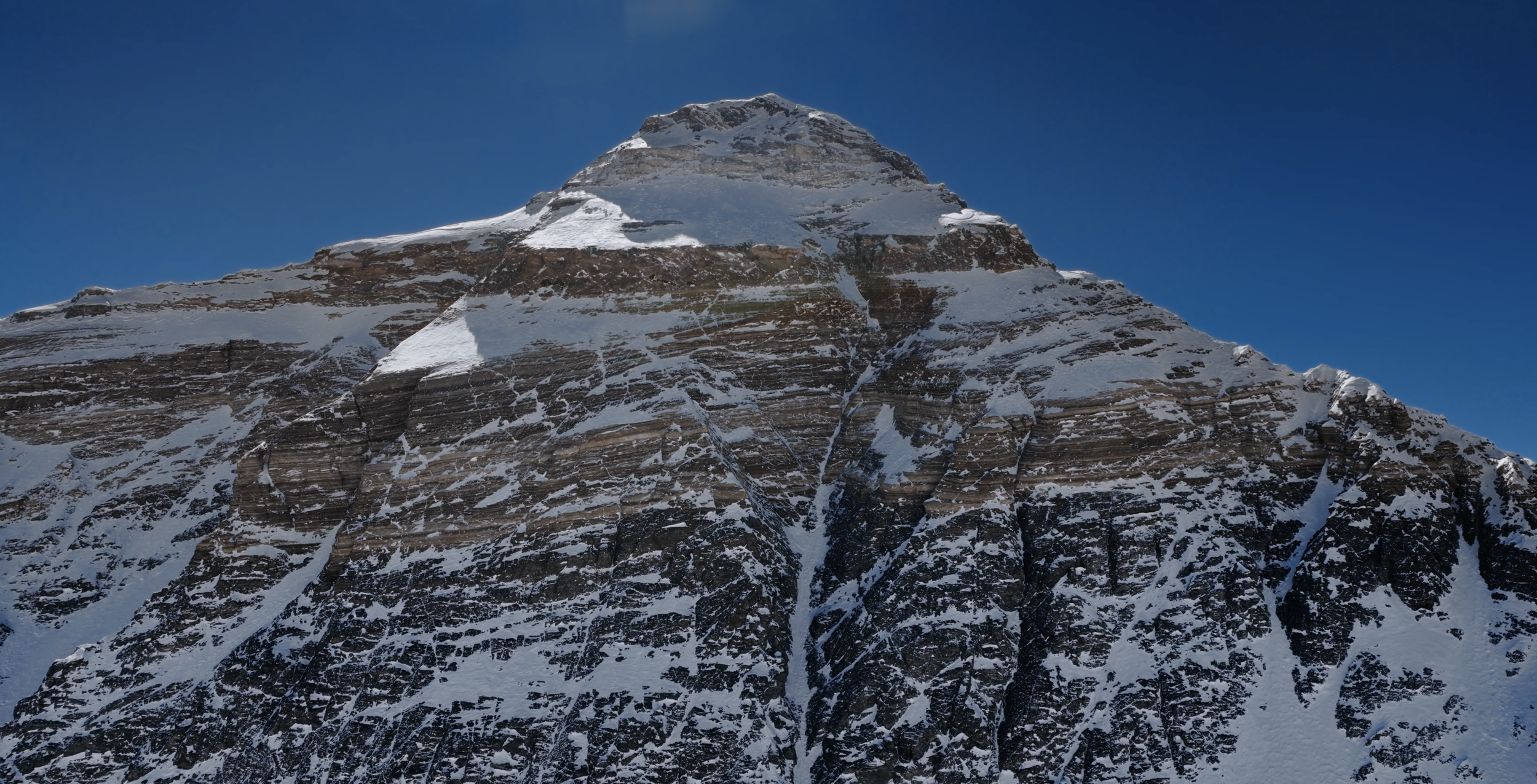
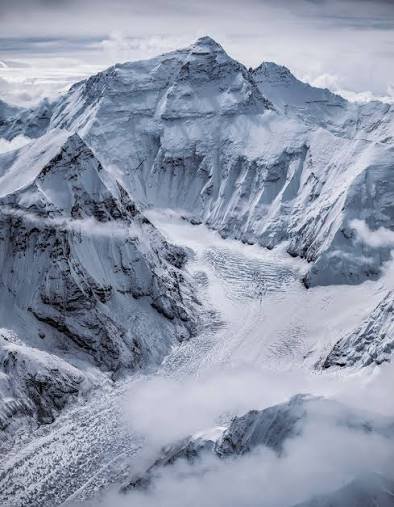
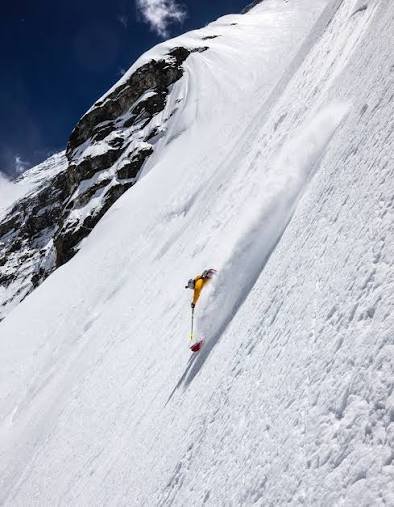
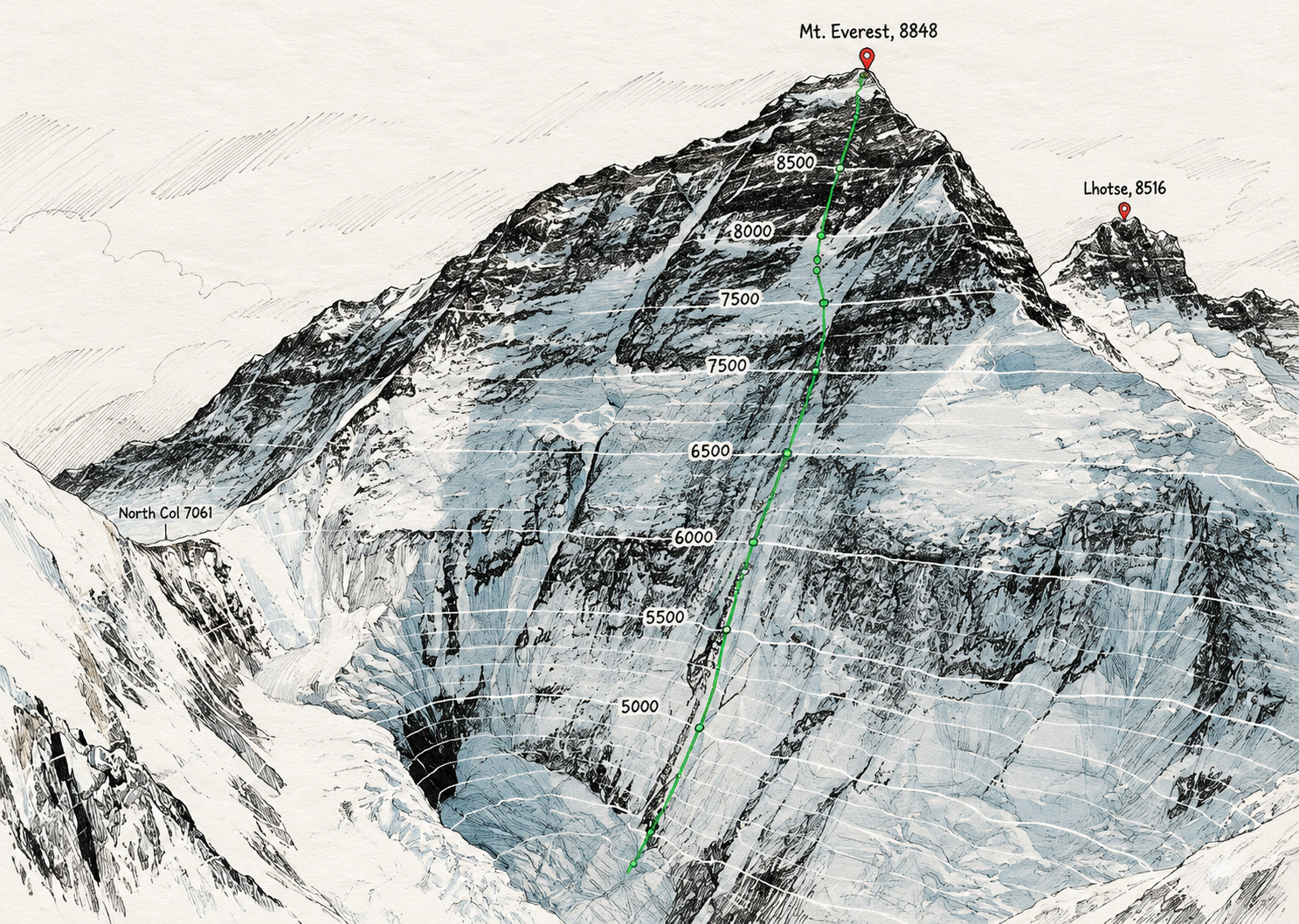
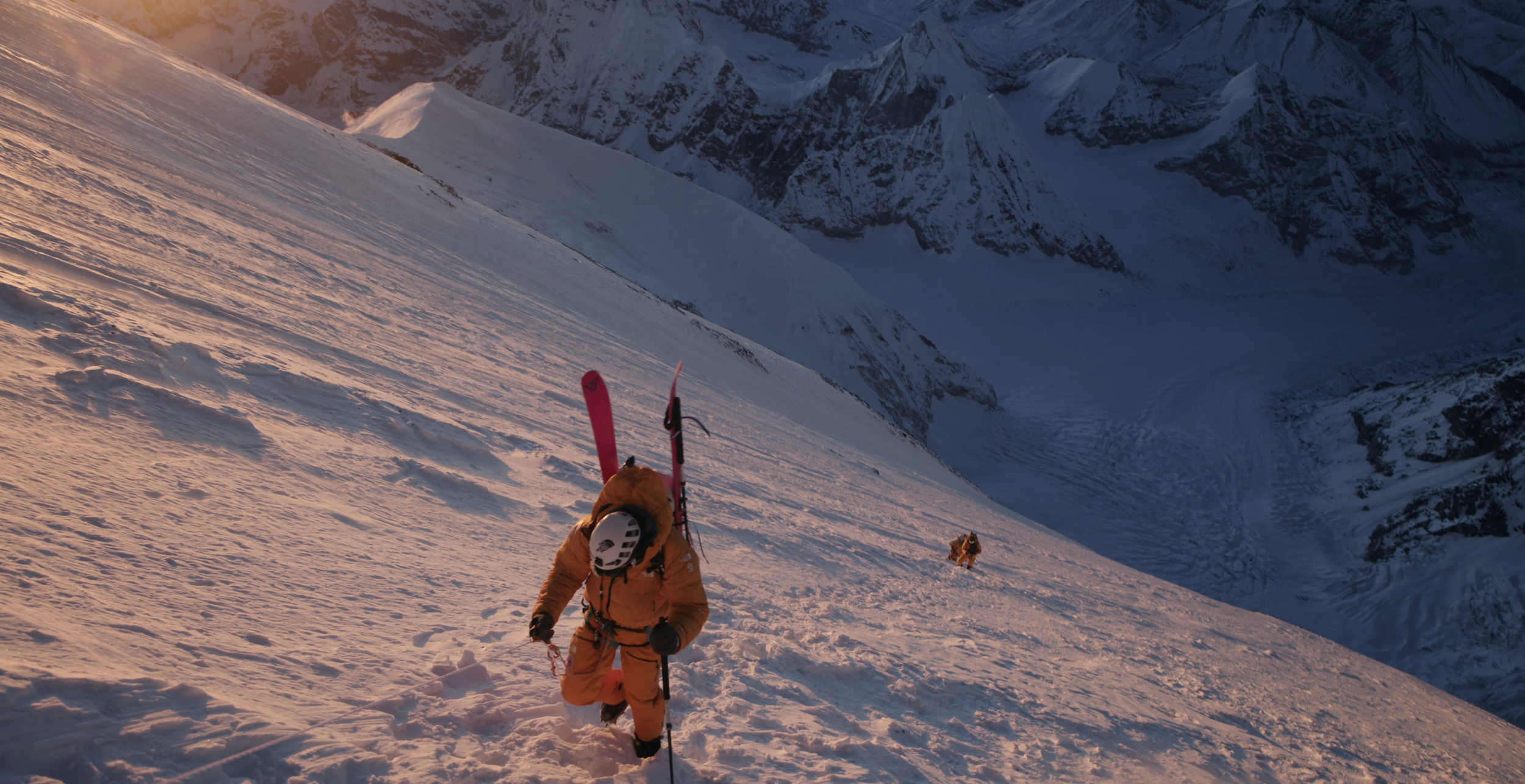
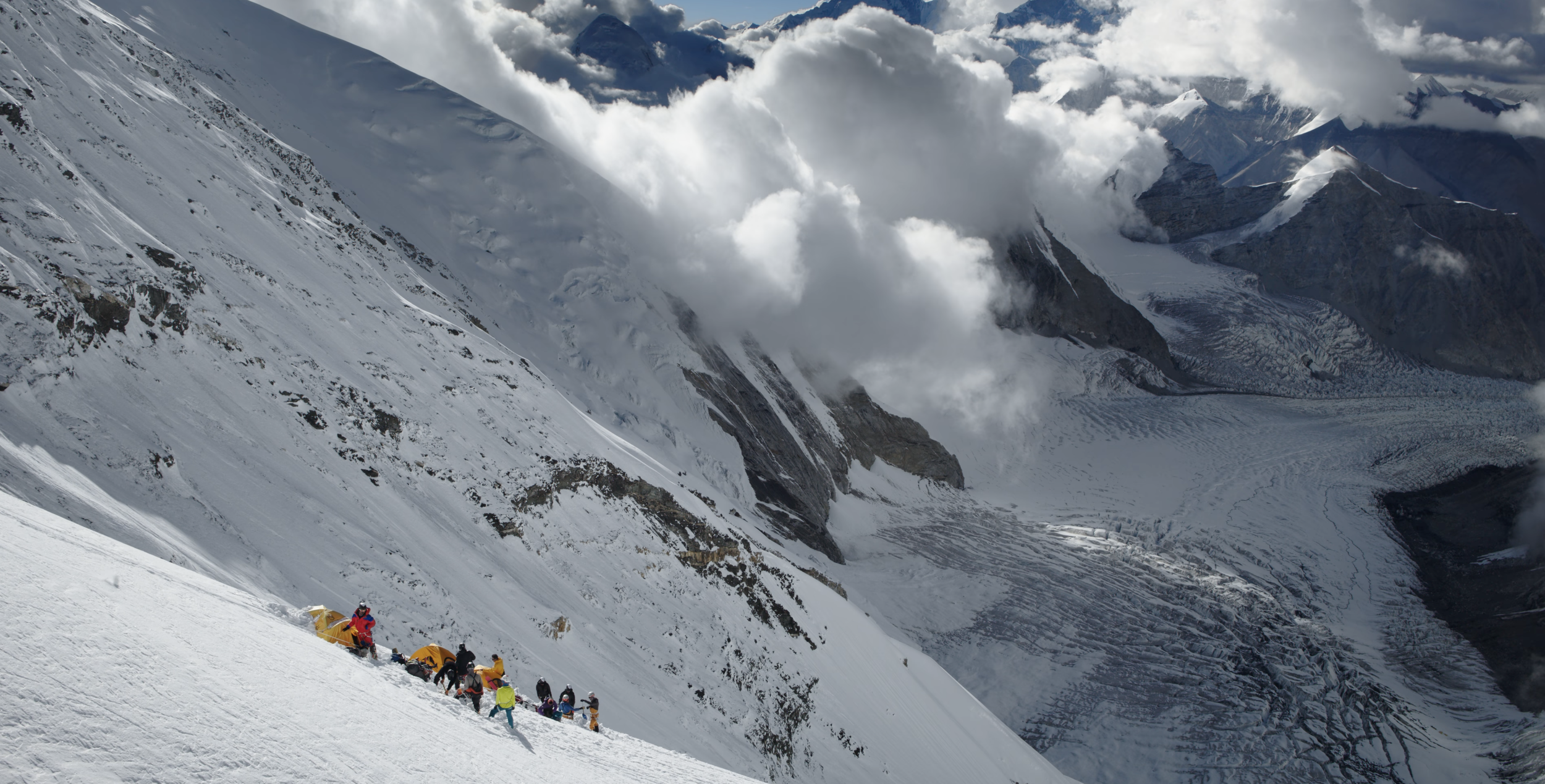
Horbein Couloir drops 9000ft at an average of 50 degrees,
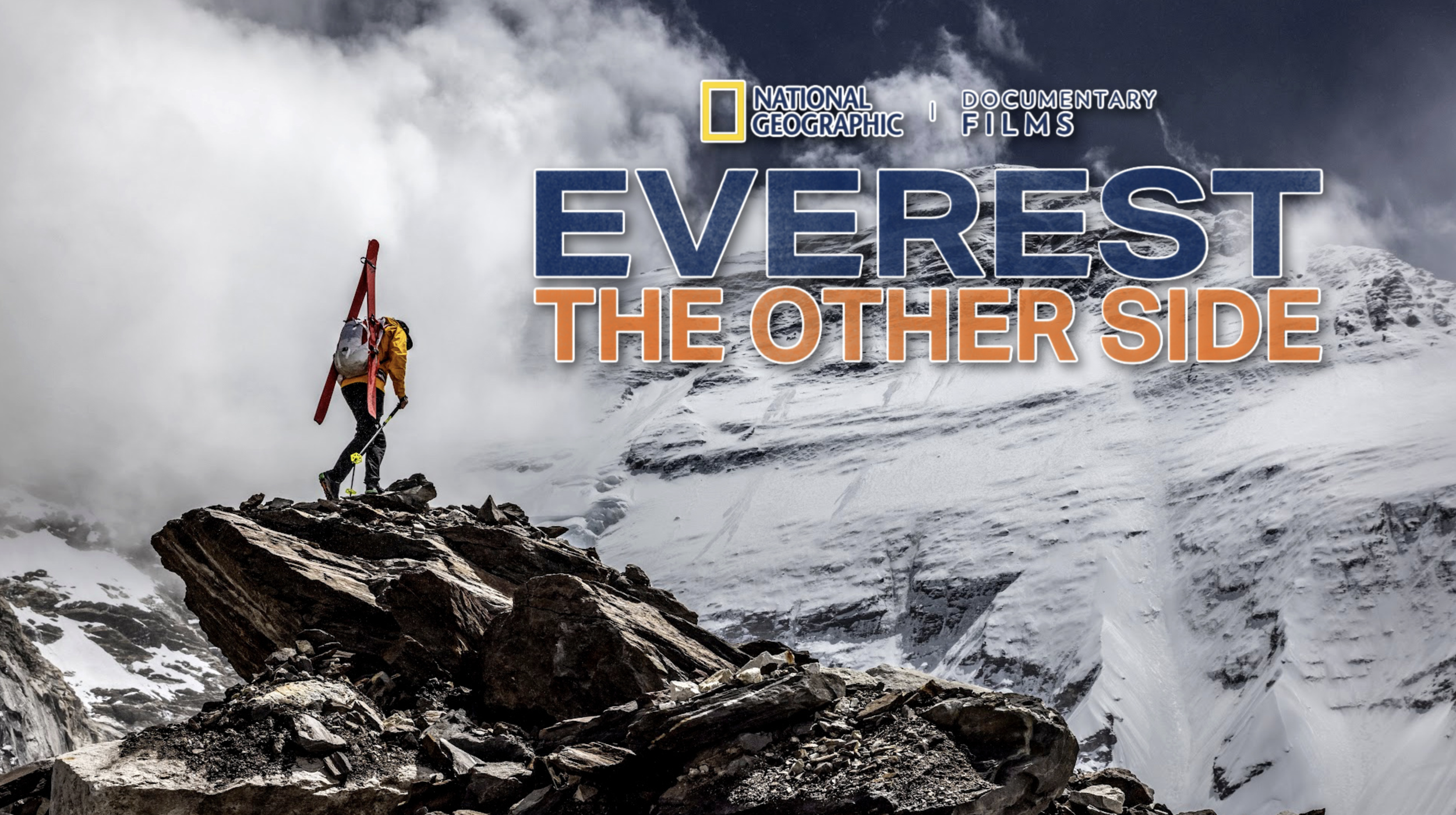

Zak: In Everest: The Other Side, there’s the extraordinary descent — but there’s also why Jim needed to go back, and the dream he shared with Hilaree. What’s at the heart of that story for you?
Jimmy: All the films I’ve made, and the things that I’m interested in, are often wrapped around the idea of people pushing human potential, and stories about the power of the human spirit.
I think this film certainly speaks to that. Pushing human potential can mean physically — climbing and skiing something that’s never been done before. It can also mean pushing human potential intellectually, emotionally and, in this case, how you can come back from grief and loss and failure.
Jim’s story really shows the potential of what a person can do if they suffer a really debilitating loss. They lose their job, they lose someone in their family, they lose a dream.
Zak: Is it, in some ways, a love story?
Jimmy: Yeah, this film certainly has a love story in it. It’s a film that touches on a lot of different things. It’s about love. It’s about loss. It’s about life and death, and really everything in between.
Zak: You’ve known Hilaree for over twenty years, and you’ve climbed and been on expeditions with Jim. Did being so close to them make this story easier to tell — or much harder?
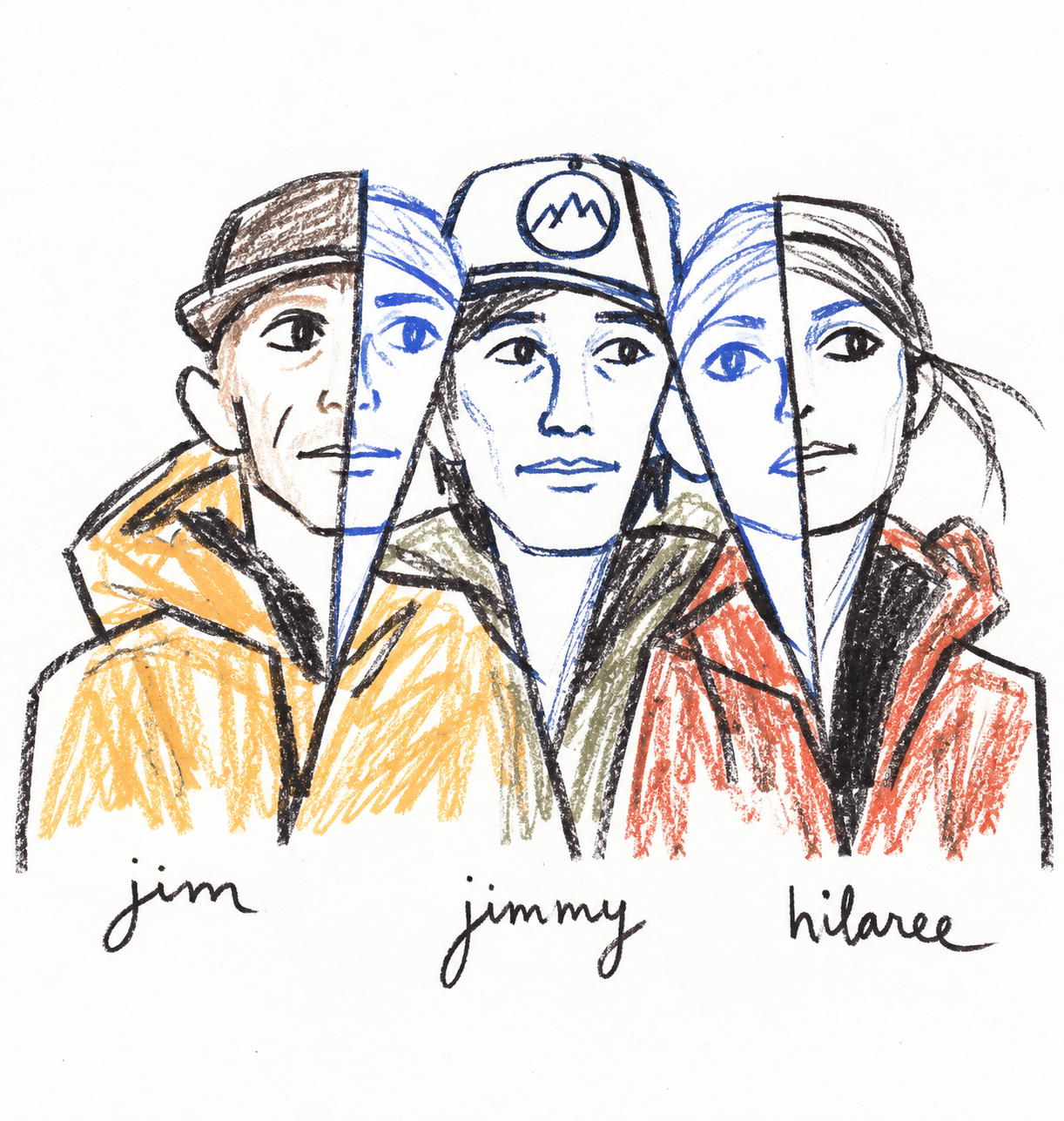
Jimmy: I’ve known Hilaree for over twenty years, and I’ve climbed a lot with Jim and been on expeditions with him, so I know them very, very well.
Often on expeditions, you learn more about a person in five days than you might know a neighbour you’ve had for thirty years. You really get to see people for who they are, and you can’t really hide anything on expeditions.
Having that foundation of knowing Jim and Hilaree, and understanding their passion for life, is a tremendous benefit when it comes to telling a story that’s as true and accurate as possible.
Obviously, there are two sides to that coin. They are really close friends and people who are really dear to me. As a documentary filmmaker, you also have to maintain a certain level of objectivity.
I wear two different hats sometimes, and I’m pretty good at switching back and forth. But sometimes you’re a filmmaker and you need to follow through with your commitments as a filmmaker.
On this project, though, I always tell my crew that we’re his friends first, then we’re climbers, and then we’re filmmakers.
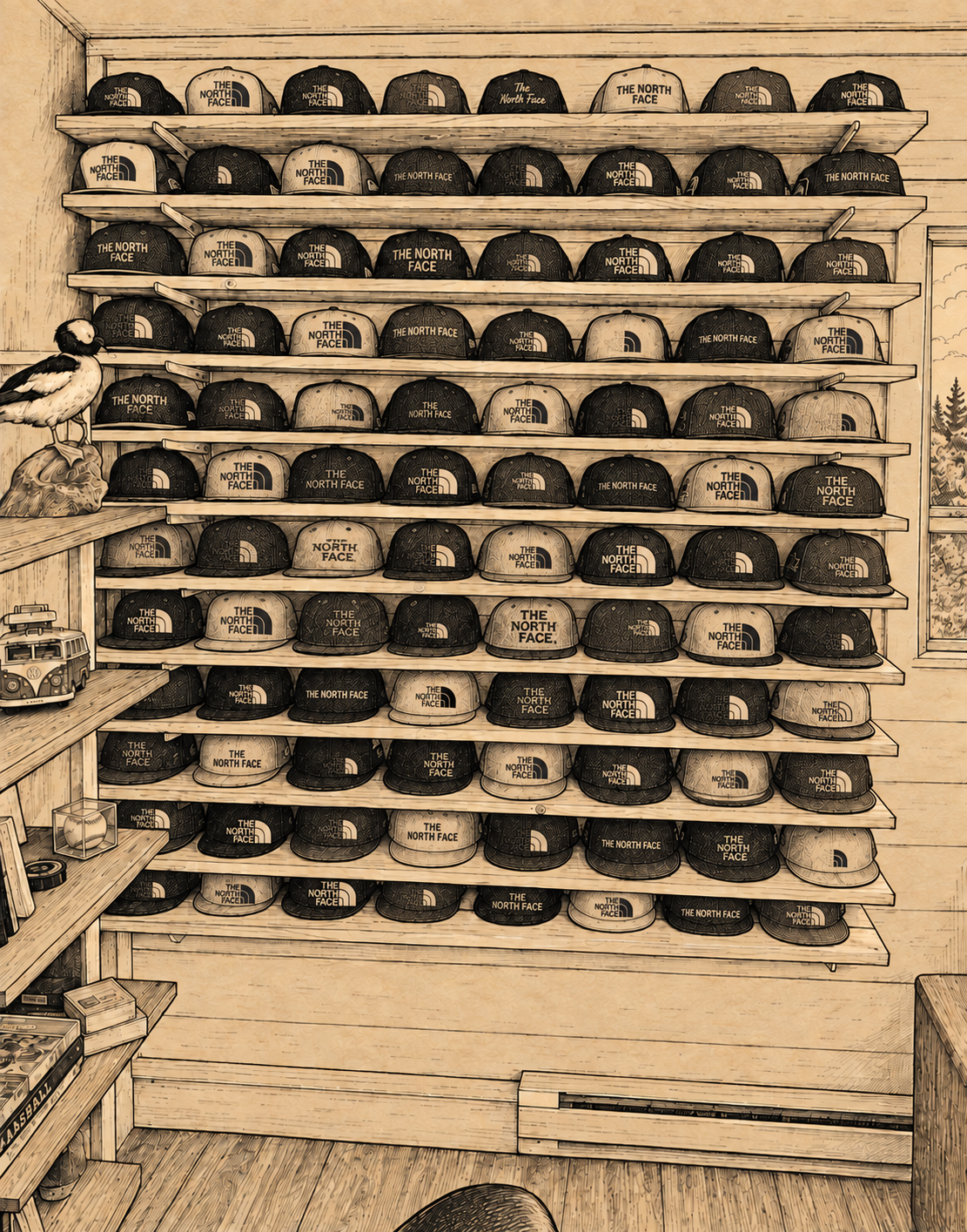
Zak: Speaking of different hats — how many do you actually own?
Jimmy: I just imagined the shelves of hats, and I have no idea. It’s got to be over a hundred.
Well, I have a hundred because I have all these hats made, and then I give them out to friends and people. So that includes my giveaway stash!
Zak: With all the responsibility of filming this expedition, were you still able to enjoy being up there?
Jimmy: Yeah, I still love these sorts of expeditions, no matter how much production is involved or how big and difficult the objective is. I still really enjoy that process of being out there, feeling like I’m living right on the edge.
Honestly, it’s second nature now to have a production with an expedition. I’ve done it for a long time. It’s part of what I love doing: the challenge of putting together the logistics and planning and filming, and eventually releasing a film that hopefully moves people.
On expeditions like this, I am always taking moments to take it all in and to be really present. We’re so fortunate to be able to spend time in these kinds of places. To be able to go on expeditions like this, to really pursue a dream, is such a privilege, and I try never to take that for granted.
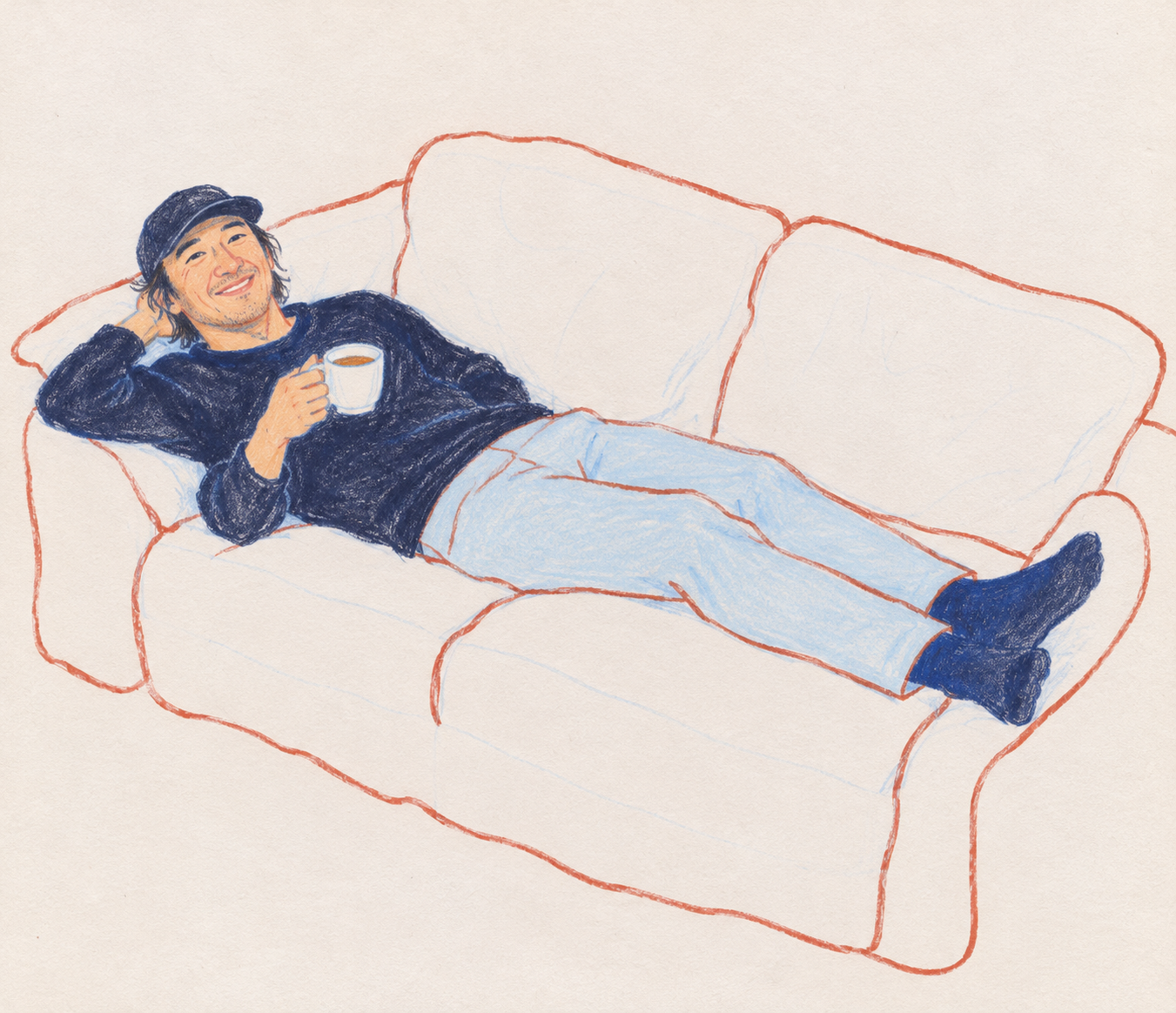
Zak: Do you ever put your feet up with a really good cup of tea and a biscuit — or is it always all go? Does Jimmy Chin have an off-switch?
Jimmy: I love putting my feet up and having tea and a biscuit. I don’t generally have much time to do that, but I can hang with the best of them.
Oh yeah, I have an off-switch. It flips very easily. When I’m climbing or skiing or surfing, I can put it aside and be really present.
Zak: When things get tough in the mountains, is there a phrase or mantra that keeps you going?
Jimmy: I don’t really have any phrases that keep me going. I don’t really need it, because there’s something else telling me to keep going. I don’t know where that comes from.
I don’t think I’m anywhere near being the best climber or the best alpinist or the best mountaineer, but my one skill is that I can suffer.
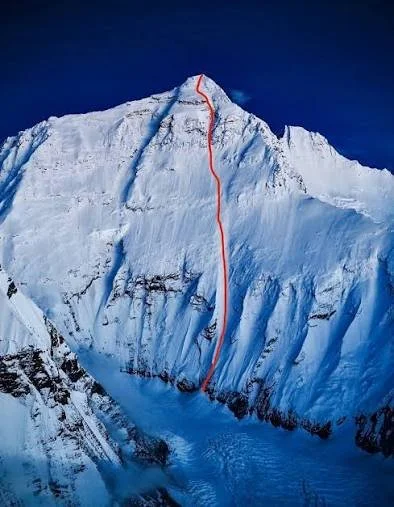
Everest N.F. Hornbein Couoir