
MOVIE REVIEW: Everest: The Other Side
Love, loss and a ski line almost beyond imagining. Bring Tissues…
Zak Emerson watches Jimmy Chin and Elizabeth Chai Vasarhelyi’s new documentary at a preview screening during the 2026 BFI London Film Festival.
Before the screening, a member of The North Face team advised me to bring tissues. There was a look in her eye.Unusual advice for a climbing movie, I thought. Maybe she was just particularly sensitive.She was bang on. I wept at least five times.
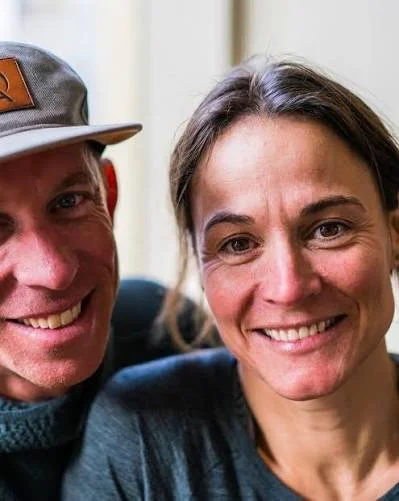
Everest: The Other Side is spectacular, nerve-shredding and deeply emotional. At its heart are ski mountaineers Jim Morrison and Hilaree Nelson: partners in climbing and in life. Legends both.
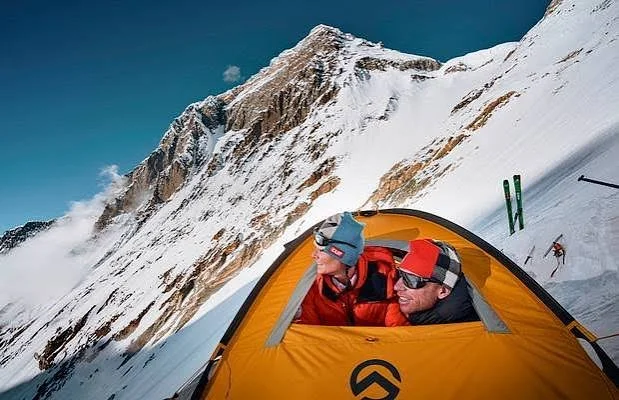
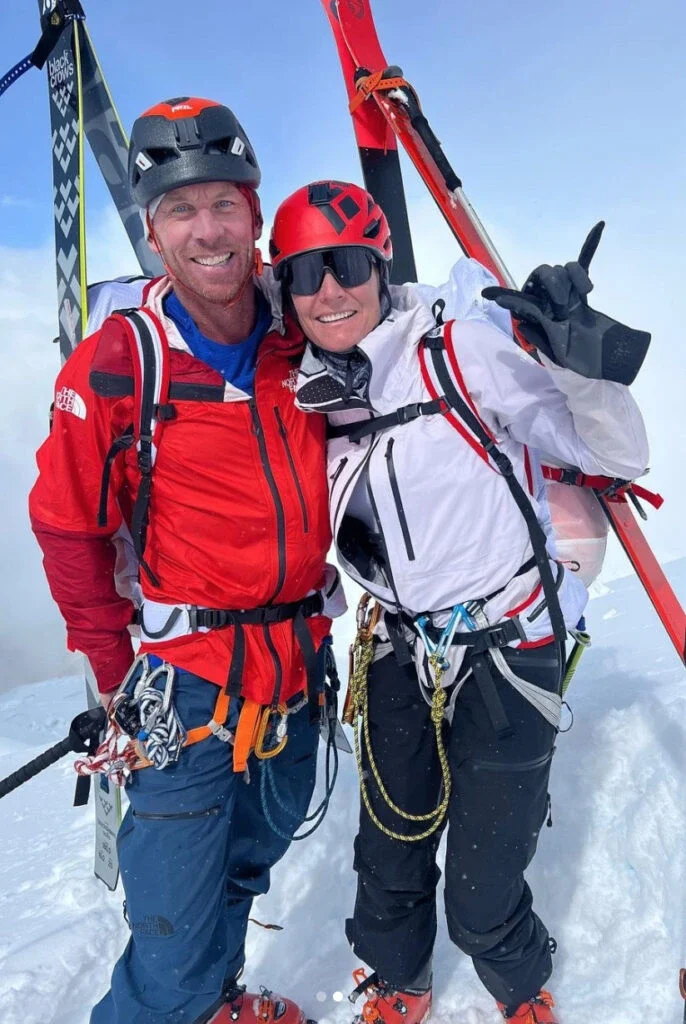
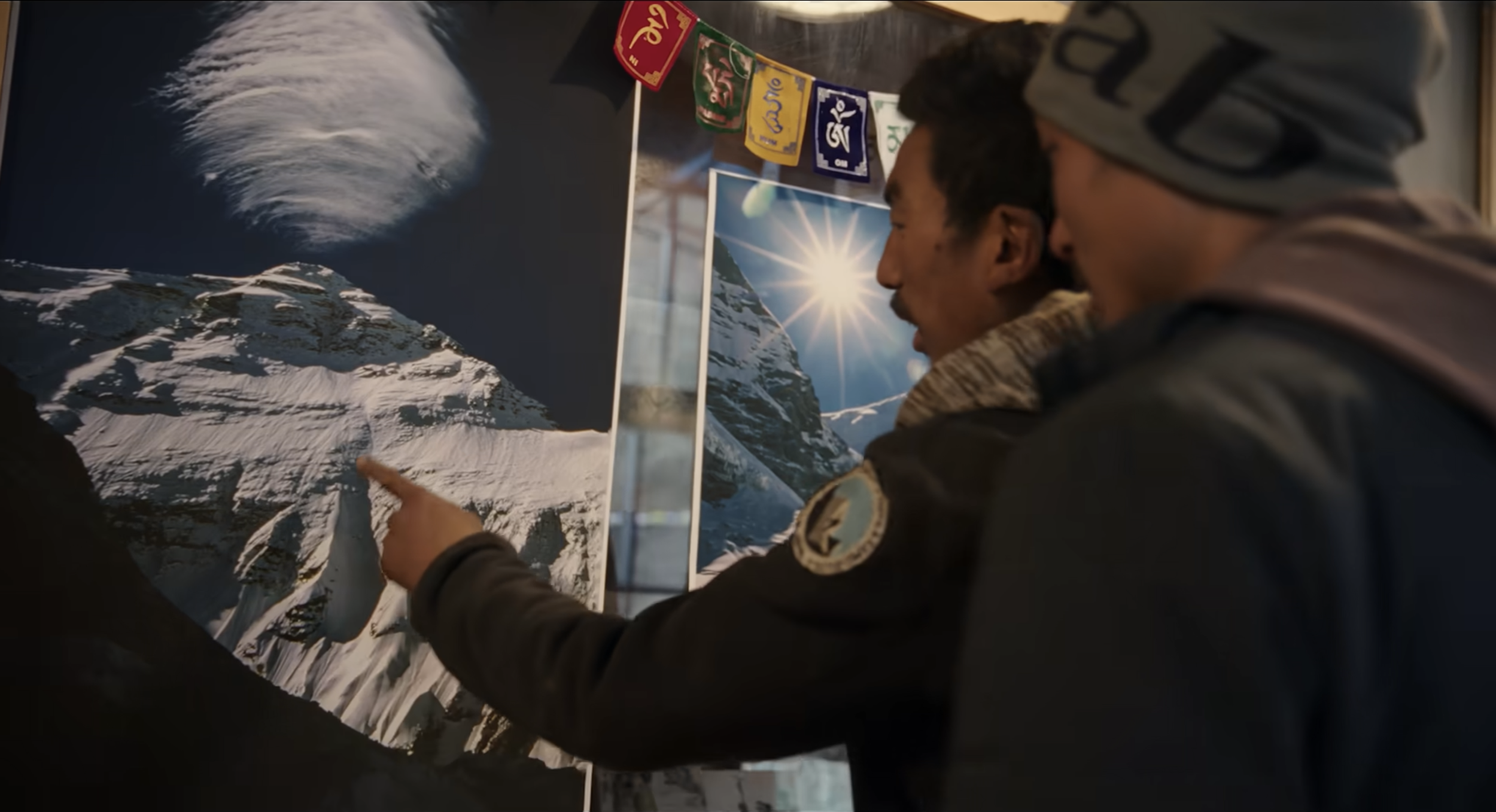
In 2018, they made the first ski descent of the Lhotse Couloir from the summit — a feat documented in Lhotse, which deserves a watch in its own right. These were two people operating at the very highest level, with the experience, ability and appetite to imagine something bigger still.
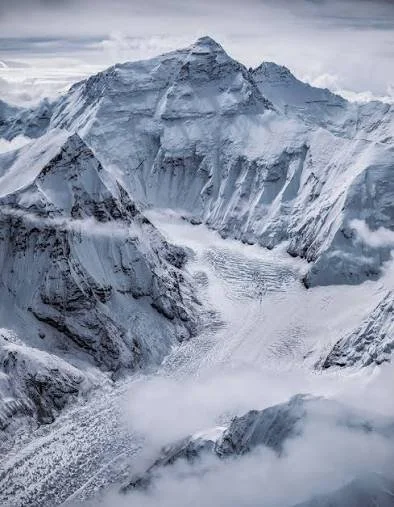
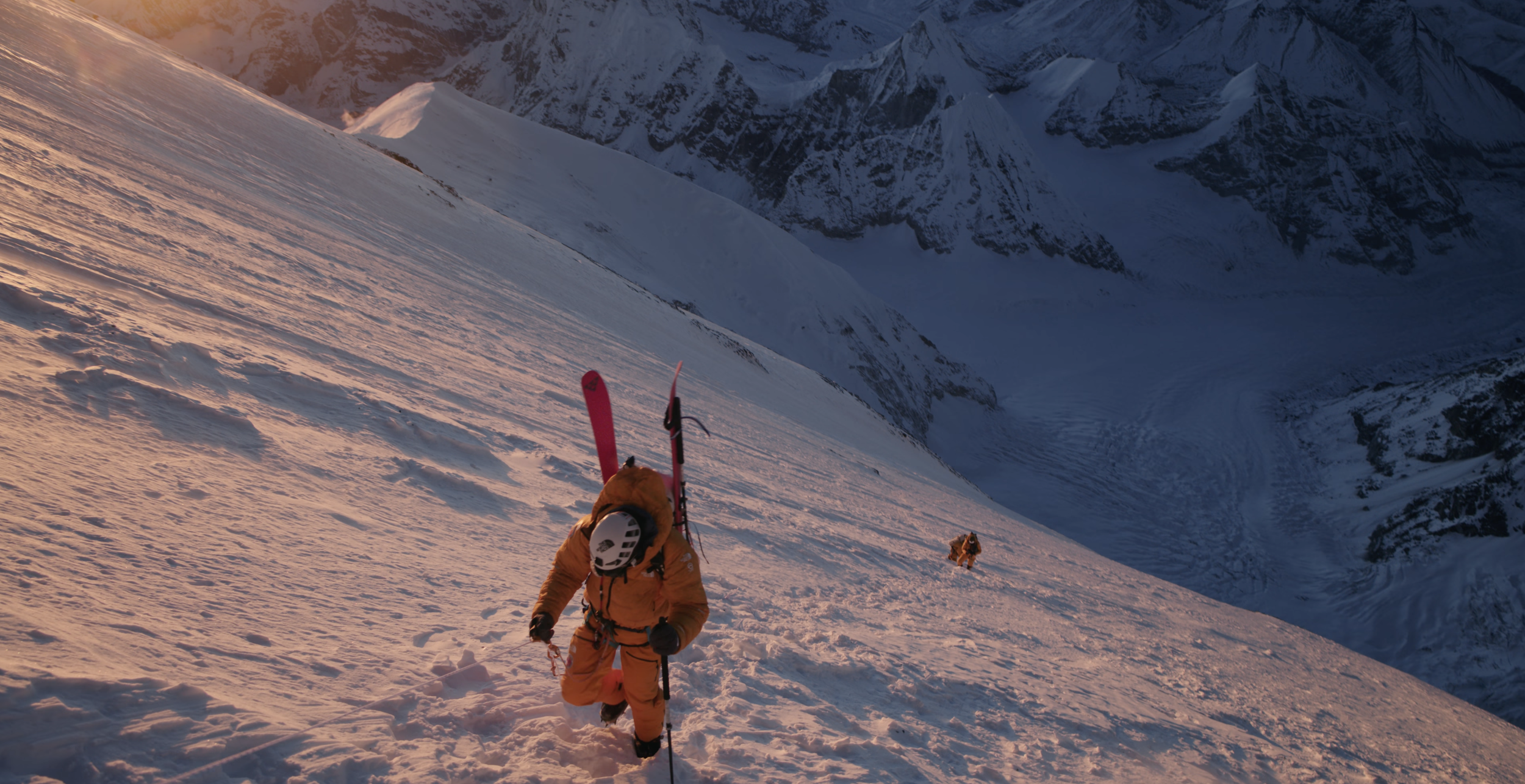
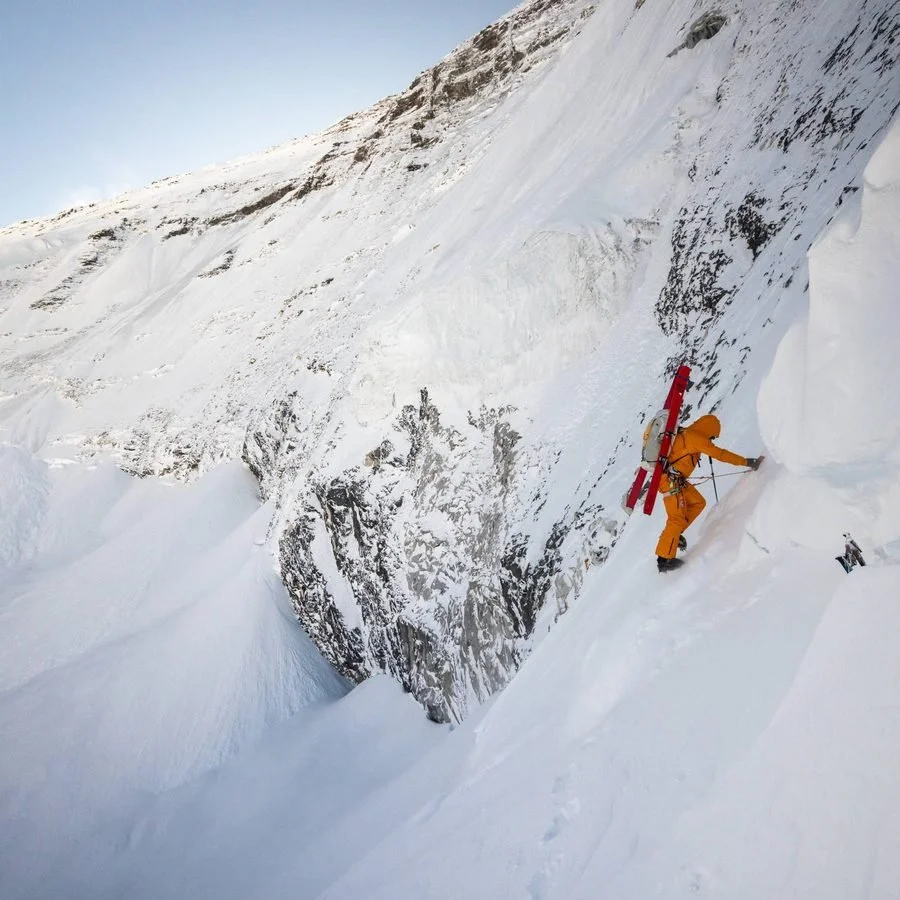
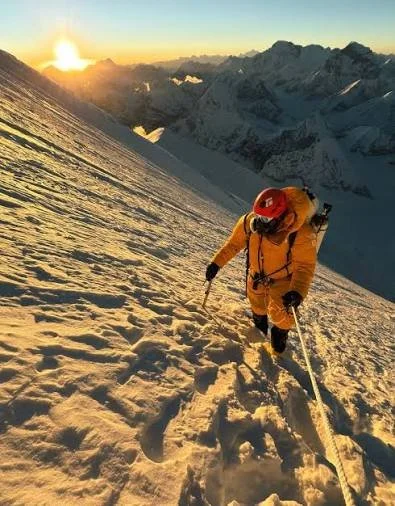
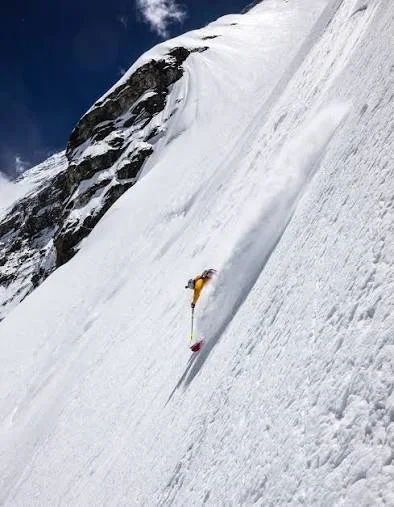
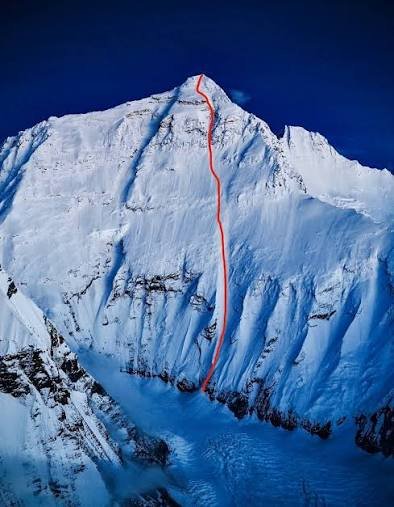
Their shared dream was to climb Everest’s North Face, then ski from the summit through the Hornbein and Japanese couloirs to the glacier below.
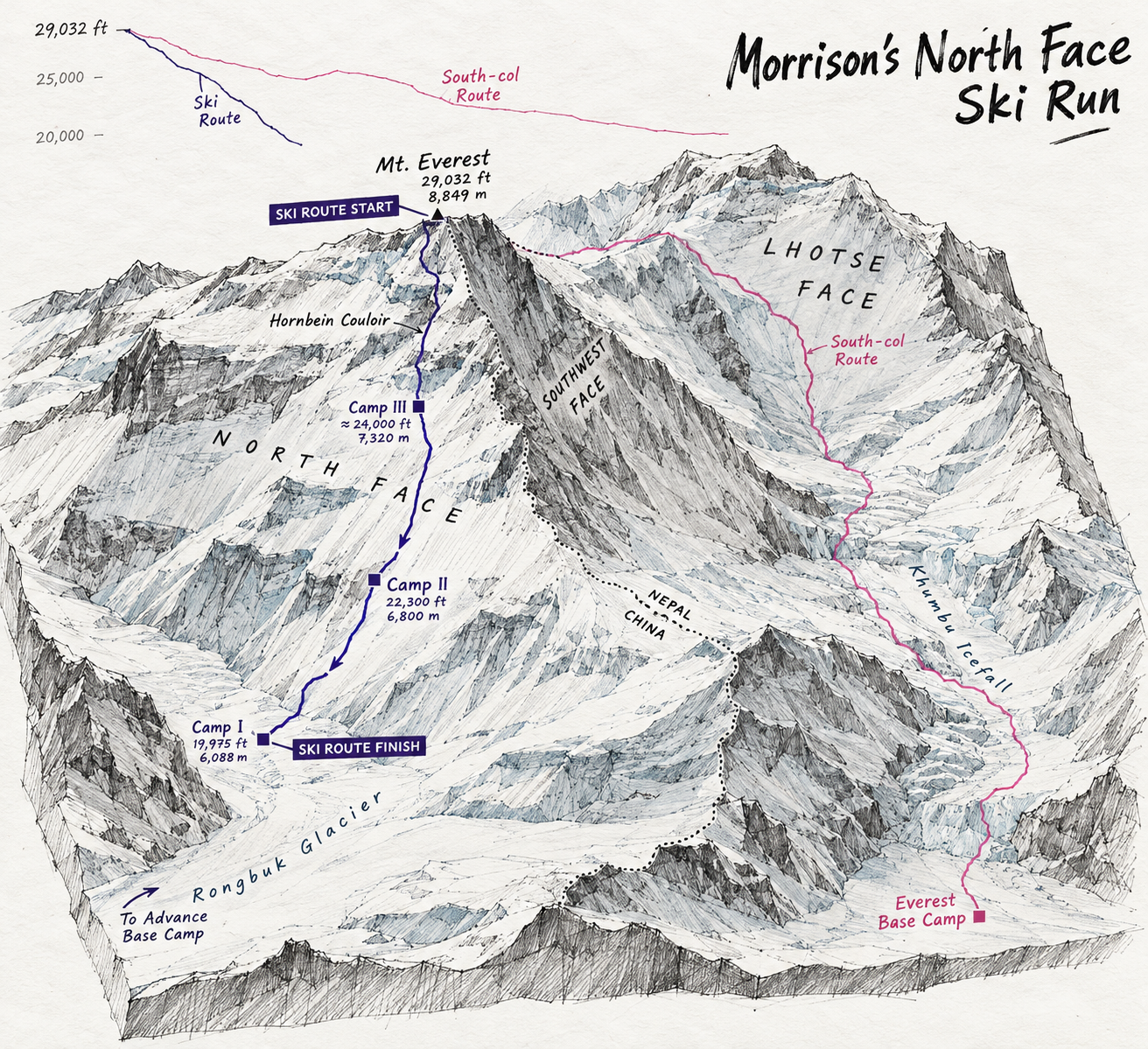
Everest might conjure images of queues and brightly coloured down suits. This is a very different proposition: a vast, brutally steep face, a rarely climbed route, and a complete ski descent that had eluded generations.
As Jim Morrison explains in the film's trailer:
“Over 13,000 people have climbed Everest by the normal routes. Only five have climbed this line. Nobody has ever skied it.”
The numbers are staggering. Even Everest's conventional routes are never straightforward, but the Hornbein Couloir is an entirely different proposition.
I recently recorded a BackDrop Journal podcast with freeride pioneer Dominique Perret, who attempted the objective with Jean Troillet in 1996, turning back below the summit. In 2002, French snowboarder Marco Siffredi disappeared attempting the Hornbein descent. What happened to him remains unknown.
Proper hardcore, then. Utter madness might be your first reaction.
It was certainly one of mine.
But Jim and Hilaree would never attempt Everest together.
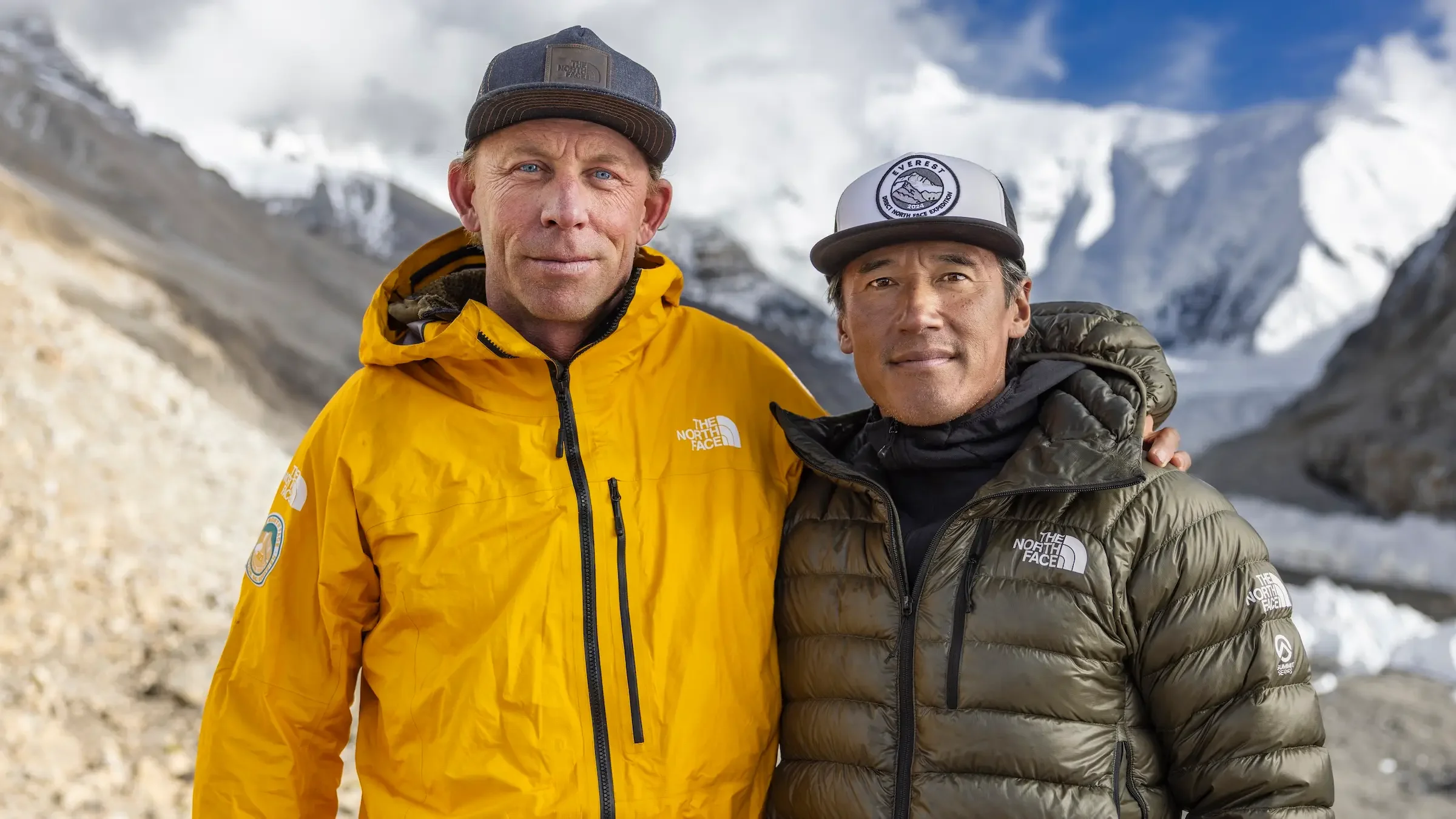
Jimmy Chin + Jim Morrison
In September 2022, shortly after they began skiing down from Manaslu’s summit, Hilaree was swept away by a small avalanche. She died in the fall, leaving two sons, a devastated partner and a mountain community struggling to comprehend her loss.
For Jim, this was a second unimaginable bereavement. In 2011, his wife Katie and their two young children had died in a plane crash.
There are moments when the scale of what this man has endured is almost impossible to take in.
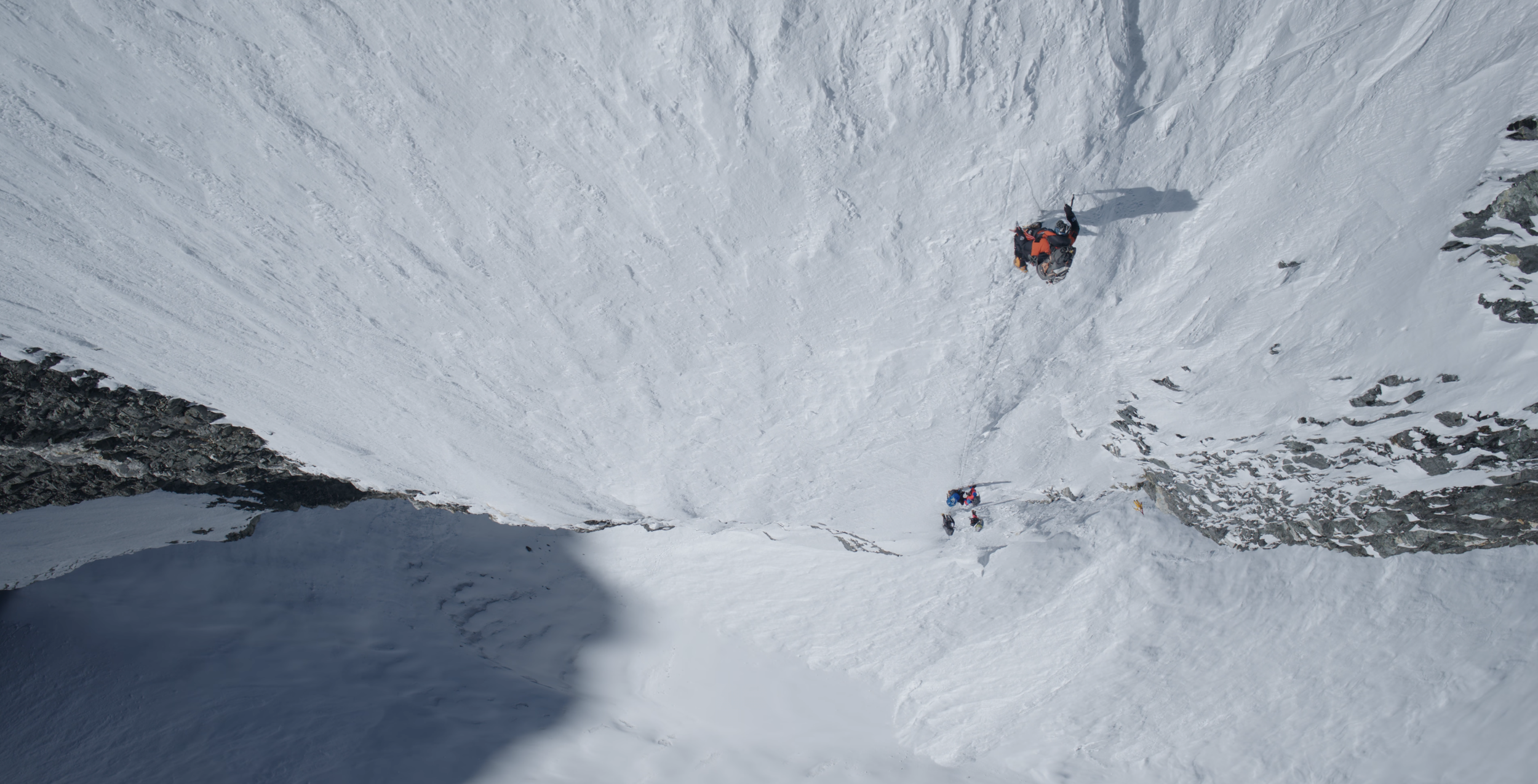
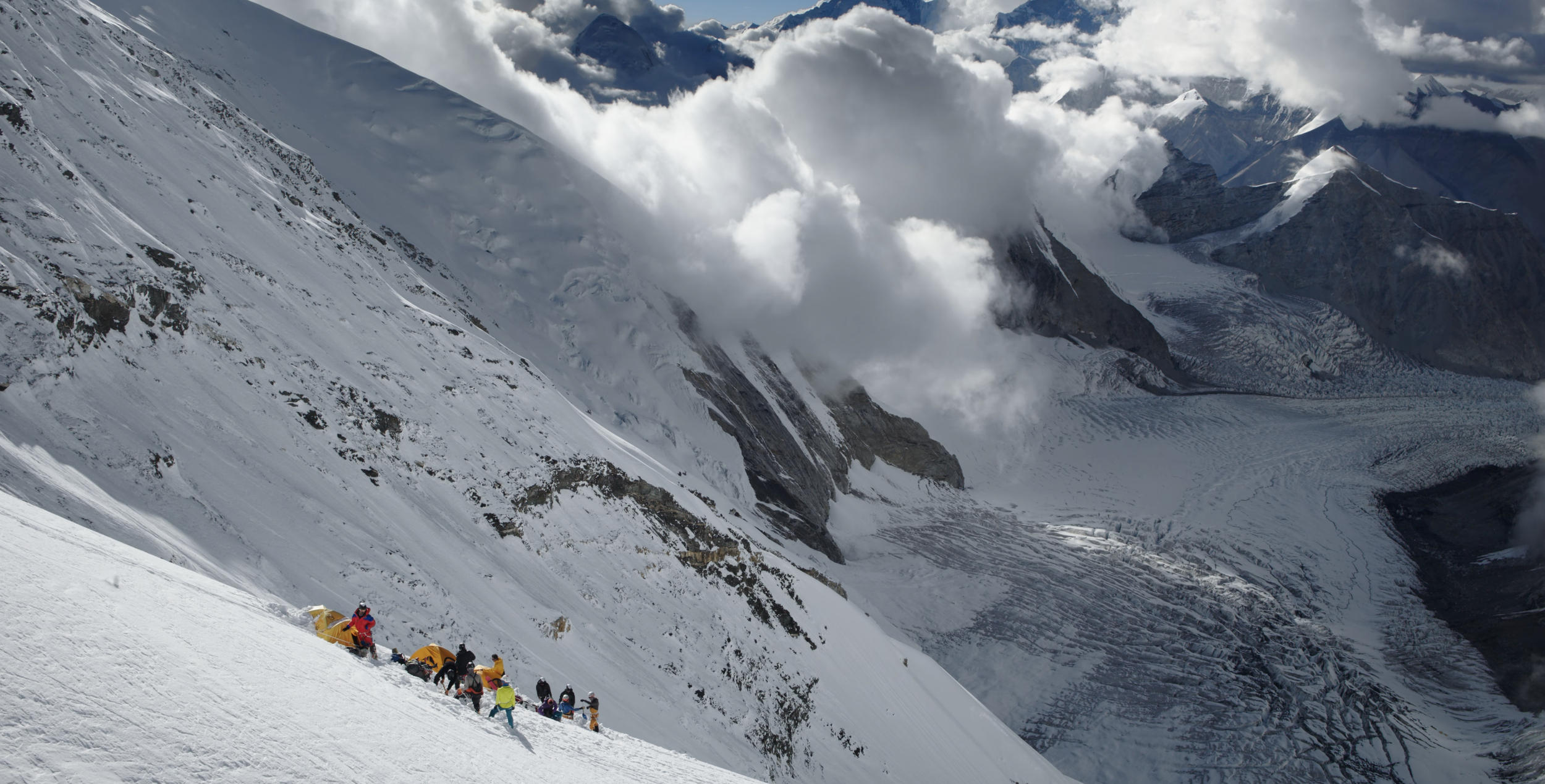
The film follows his struggle to carry on, and his eventual return to the dream he and Hilaree shared. Gradually, what initially looks like madness becomes something I can begin to understand: a way of feeling close to her, of honouring their life together, and of finding a way forward in his own. I began to understand why he felt he needed to do it.
It would be easy to imagine people operating at this level as hardened to the danger, or somehow detached from its consequences. What struck me was their tenderness. These are thoughtful, affectionate people who care deeply about one another, making choices that are difficult to reconcile with that care.
We accept risk in plenty of other walks of life, often without thinking much about it. Here, the consequences are painfully visible — for those on the mountain and those waiting at home. I can admire their commitment and understand something of what draws them back, while still feeling uneasy about what it might cost. The film left me holding all of those feelings at once.
That extends to the Sherpa and Nepali climbers whose skill and judgement make the expedition possible. They have families, ambitions and limits of their own. This may be Jim’s deeply personal dream, but the responsibility and exposure to danger are shared.
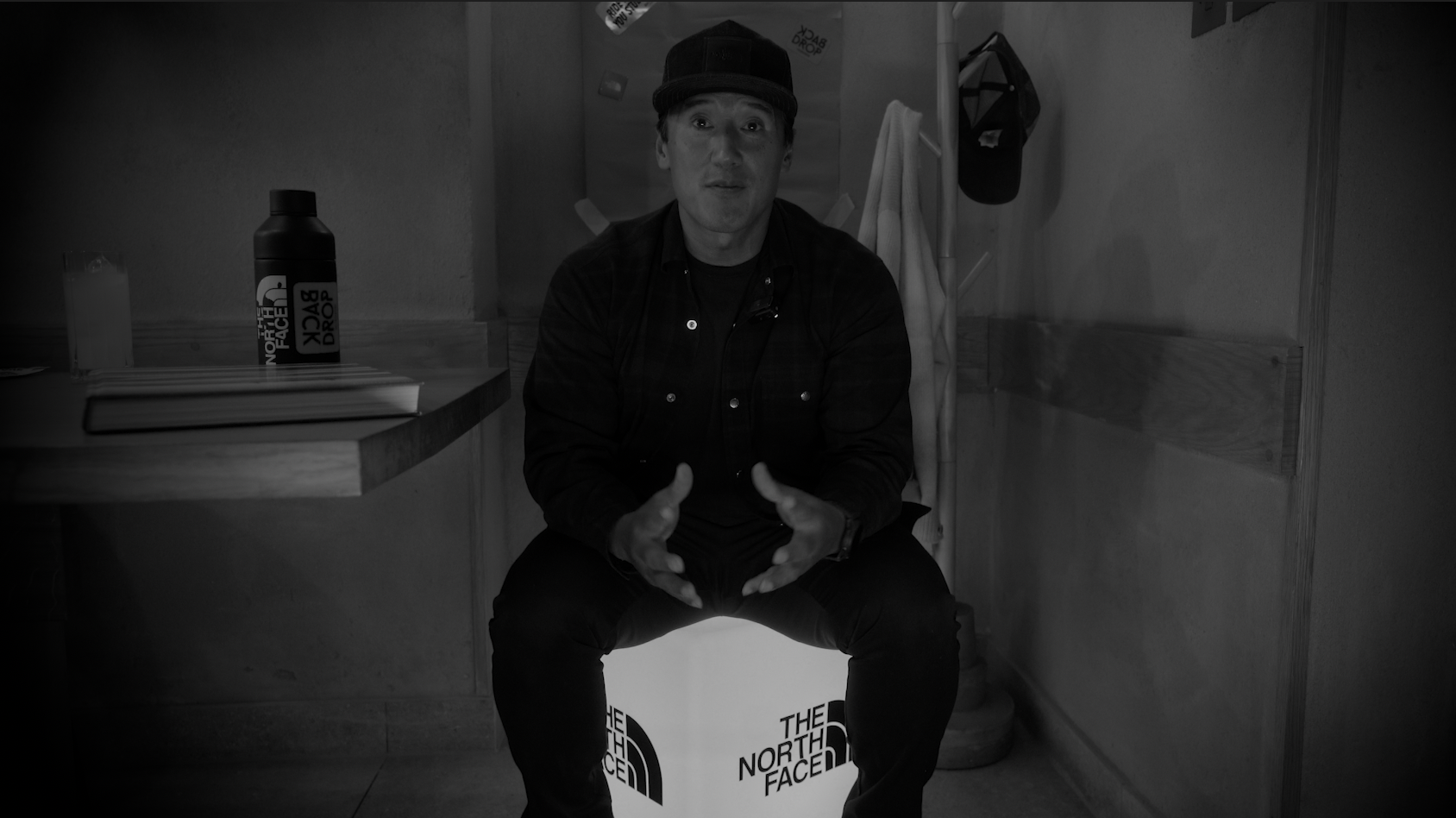
When I spoke to Jimmy Chin a few weeks ago at Apracity restaurant in London, he described the order of priorities he gave his crew:
“We’re his friends first, then we’re climbers, and then we’re filmmakers.”
That stayed with me. It speaks to the humanity running through this extraordinary undertaking, and the responsibilities that come with it.
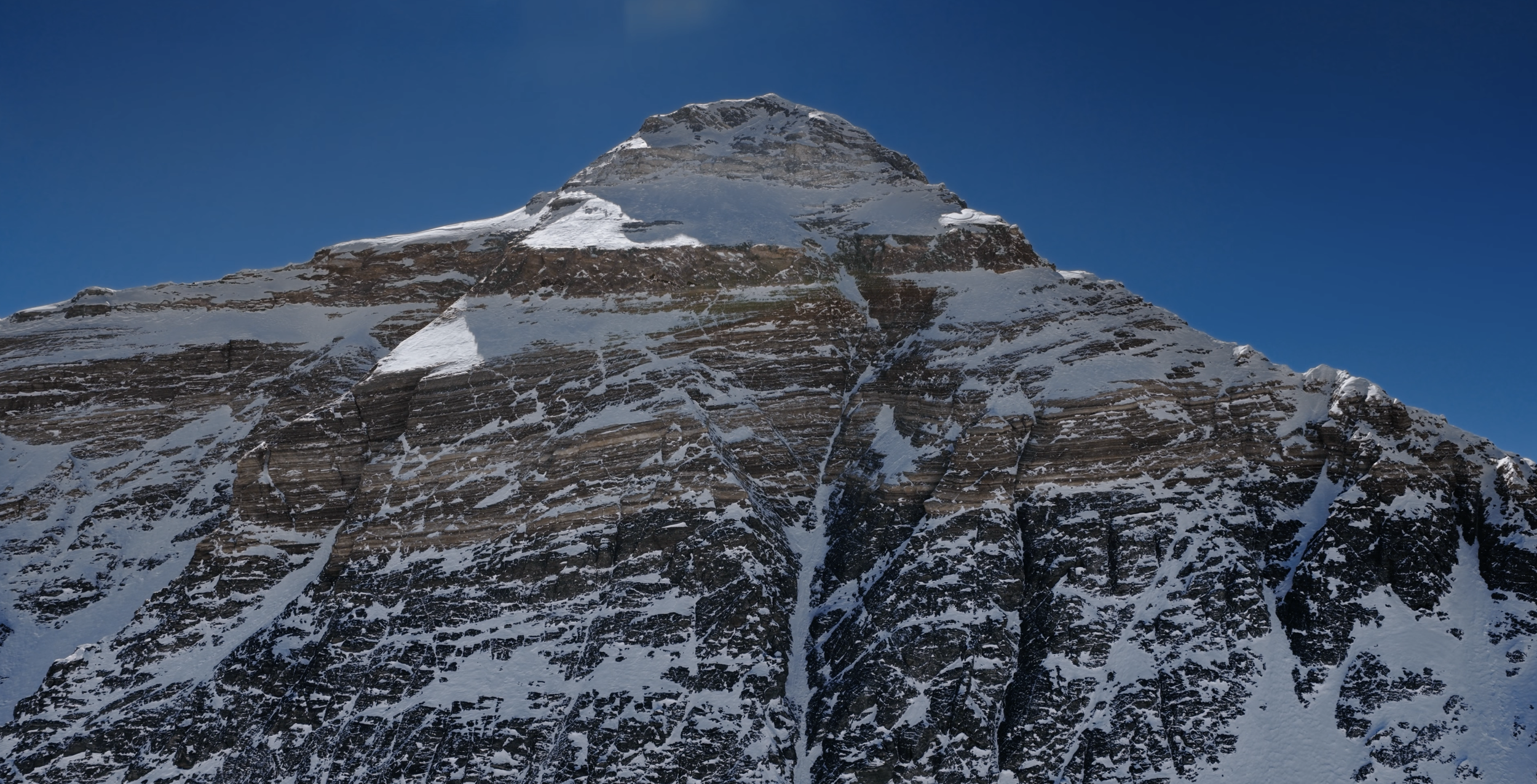
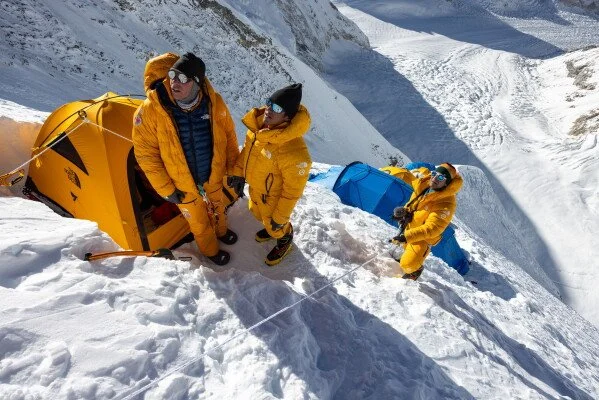
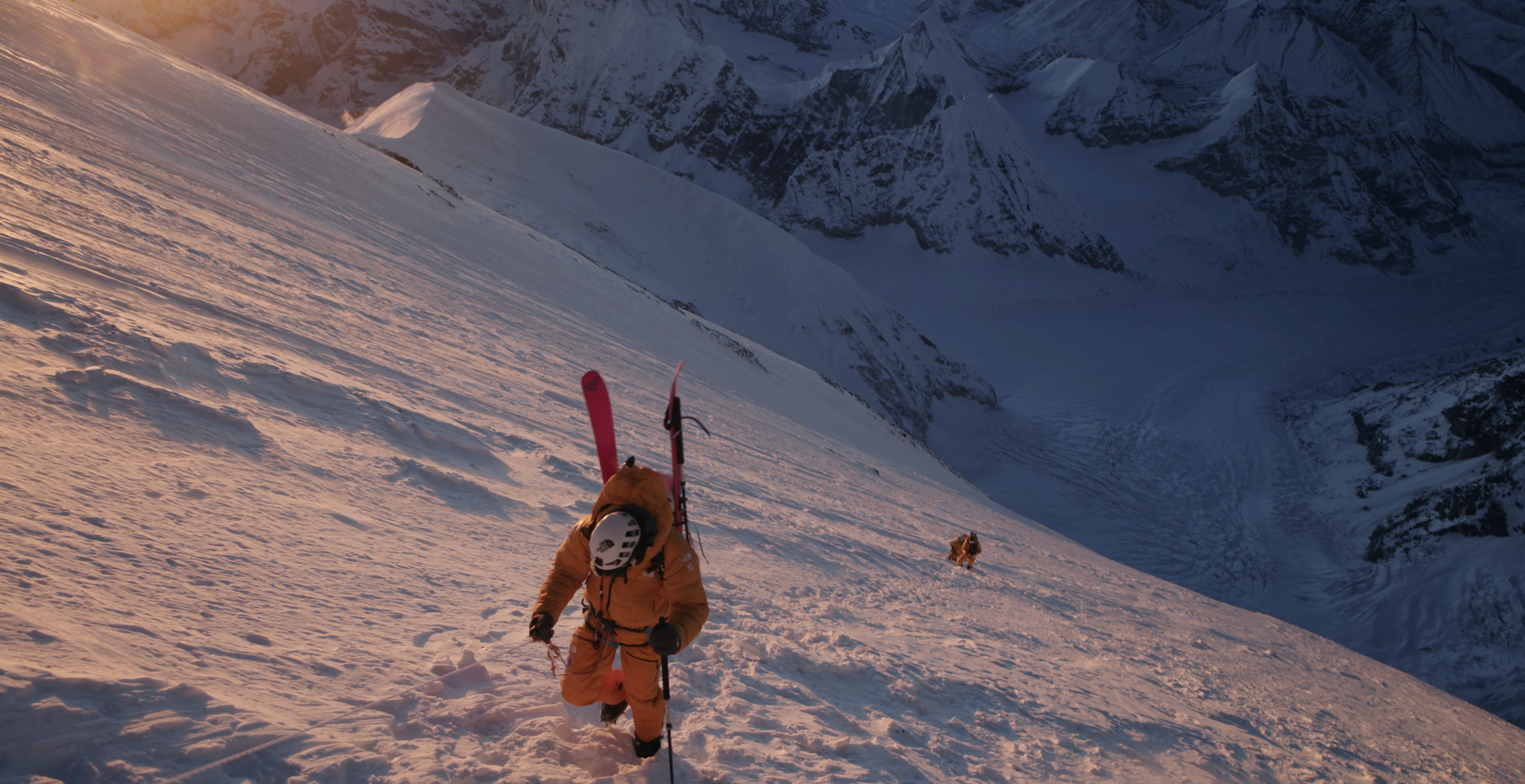
Alongside Jim’s achievement sits the immense challenge of filming it. Chin and co-director Elizabeth Chai Vasarhelyi bring together intimate storytelling and mountain cinematography on a scale that is difficult to get your head around. The images are astonishing. So is the thought of what it took to capture them.
Yet what lingered most for me was the love: between Jim and Hilaree, between friends, and for the people waiting at home.
This is an inspiring, life-affirming film that left me wiping my eyes, wanting to squeeze my partner’s hand and hug my children for an extra-long time.
I doff my cap.
This is a movie worth splashing out on the full IMAX experience. And you can bring the whole family, as long as your ankle biters are 13 or older.