
Early-season avi rescue practice
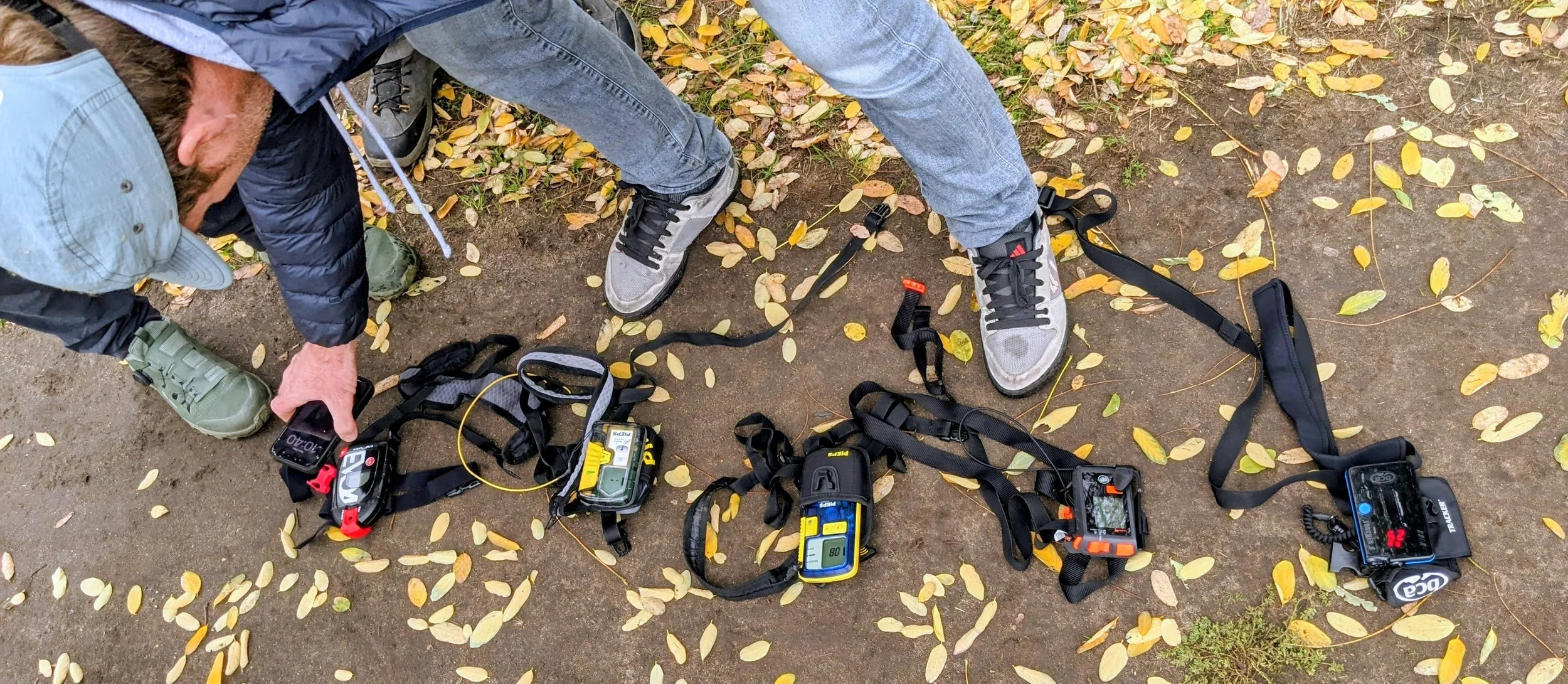
We are hard-pressed to find a dry slab or a deep snowpack in Central London in early November, but that doesn’t stop us from turning a grassy city park into a full-scale avi rescue situation.
We join up with friend of Backdrop, Owen Day, for a spot of dry-land avalanche rescue training, courtesy of the Eagle Ski Club. As the first practice session for a season always does, it reminds us that muscle memory and search protocols are always best sharpened before you're standing on an avalanche debris field, under massive pressure to find buried persons who could be buddies or family-members.
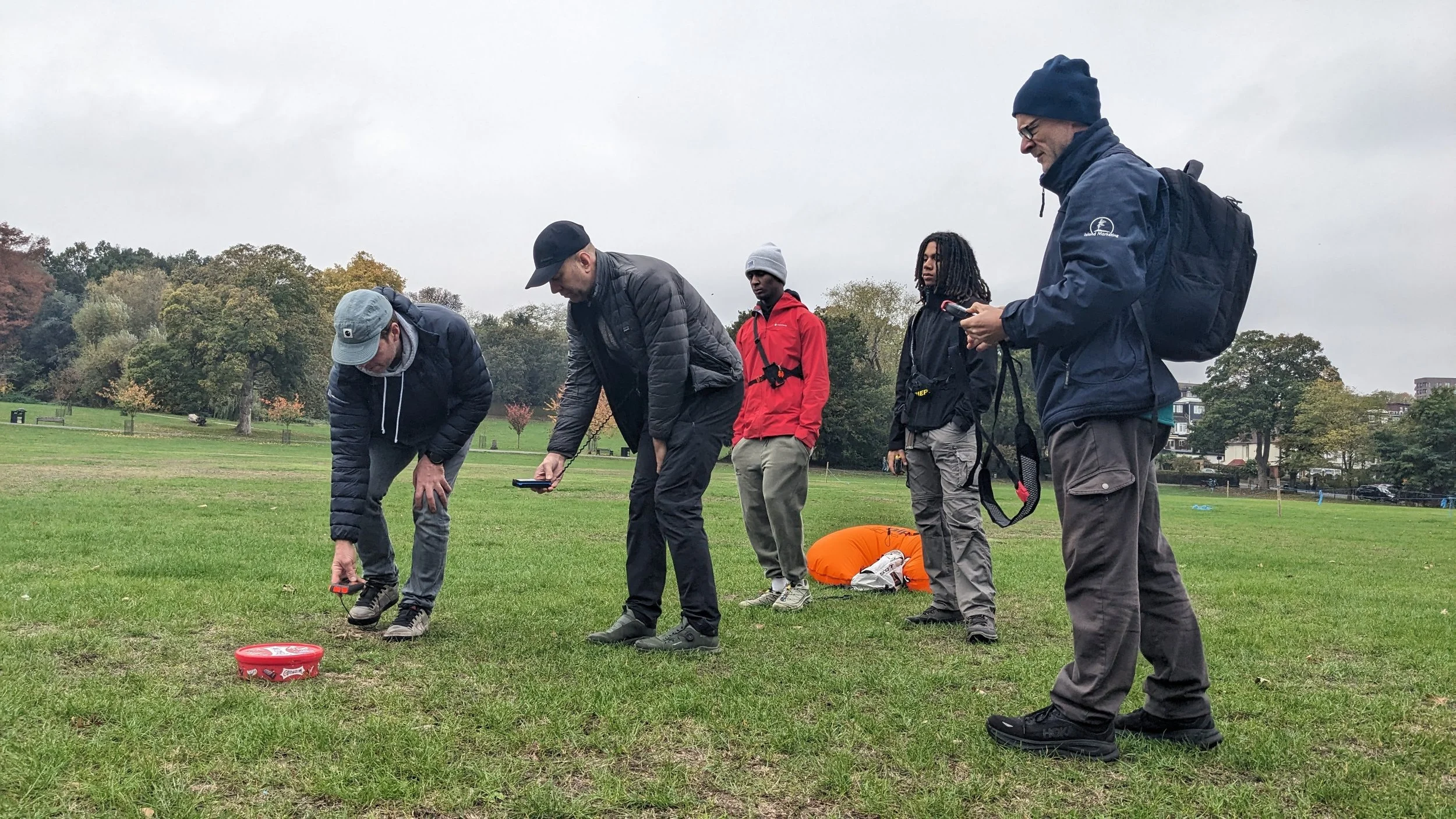
You may have other search incentives, in real life - ours were dashed when we found the box was empty…
What follows, in no particular order, are some of the fascinating takeaways from the session - to be clear, this is not a comprehensive guide to avi rescue, but I’ I’m sure you’ll find some interesting stuff here, and get you excited about the prospect of prepping for the upcoming season!
Beacon batteries: Always stick strictly to manufacturer-recommended battery brands, as slight variations in casing tolerances and internal specs can cause loose connections in your transceiver —if you ever hear a transceiver make its startup chime while riding, a bad battery fit is often the culprit. Never use rechargeable batteries because their voltage drops off a cliff without warning, and never mix different brands or charge levels. Always remove the batteries at the end othe season, to avoid damage to your unit. And when do you turn the beacon on for the day? As soon as you put it on your person.
Interference: Electromagnetic interference from mobile phones and other electronics (smart watches etc) can distort beacon signals, so keep these devices at least 50cm away from your transceiver during when in SEND and SEARCH mode.
If caught in an Avalanche: Shout to alert everyone else. Try to pick up speed downhill and ride off to the side. Once you sit, fight with your arms to stay upright as the slide moves, shield your mouth and nose to prevent breathing in snow, and as the slide slows down, try to create an air pocket in front of your face before the snow sets like concrete.
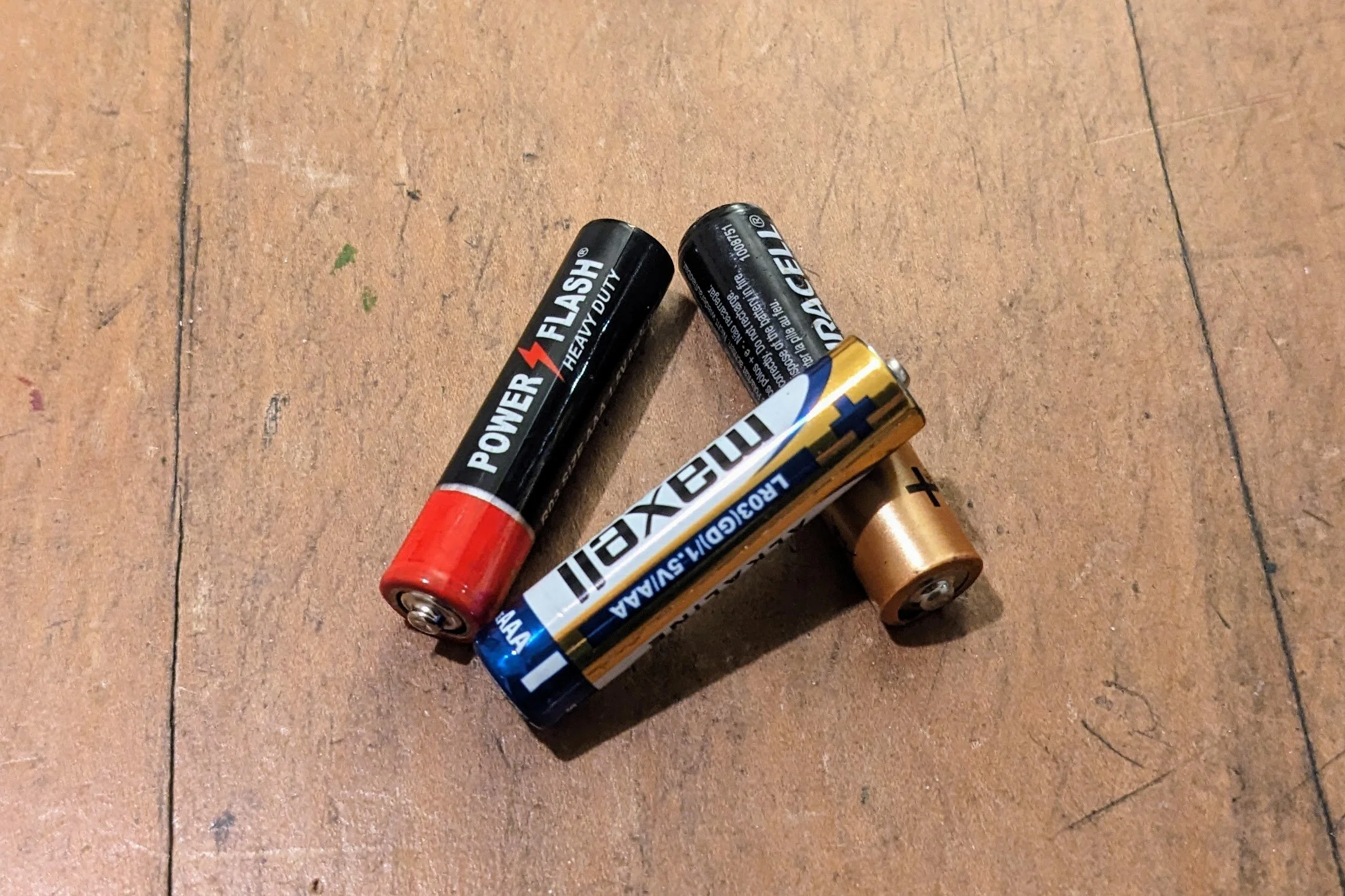
Never mix and match battery brands!
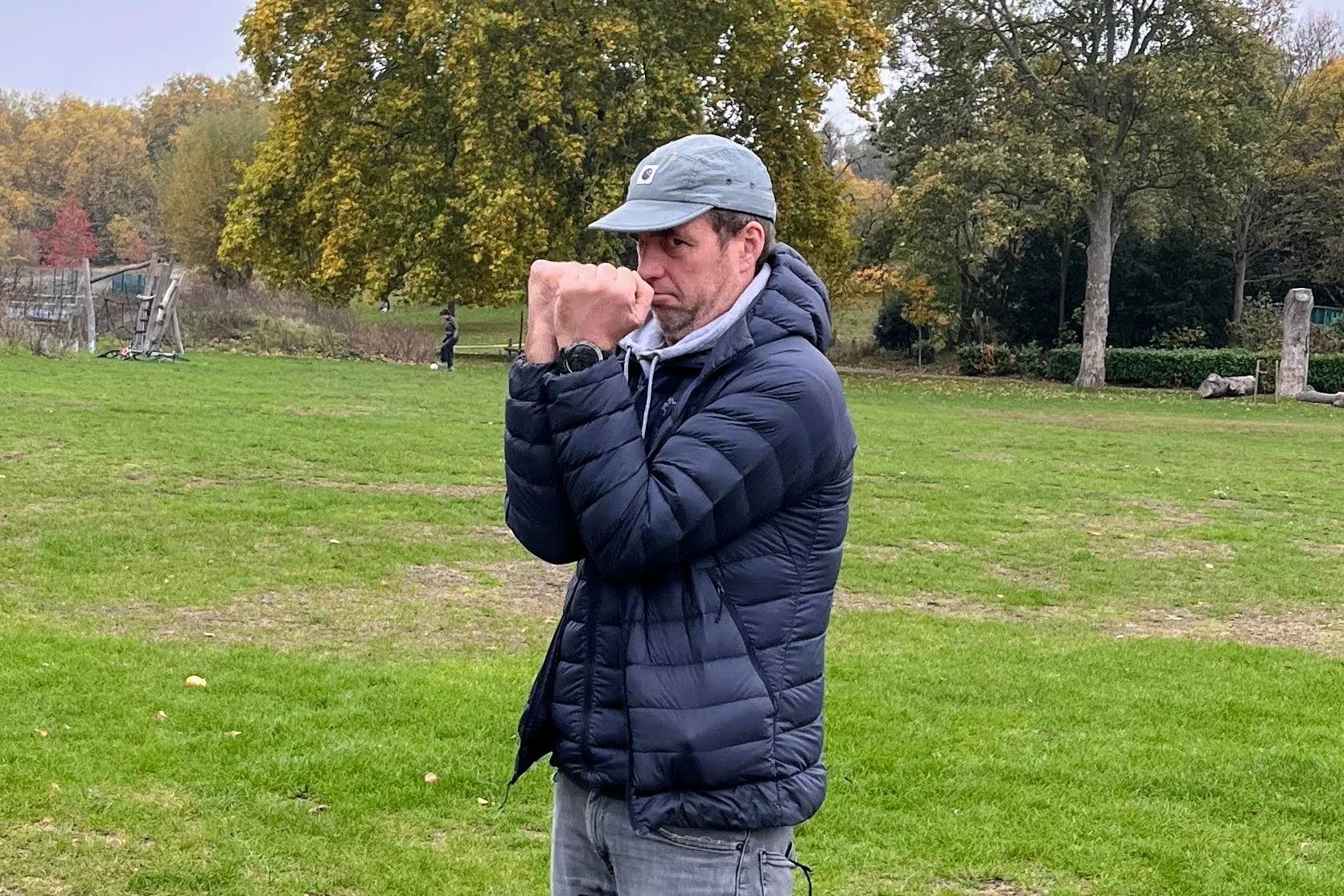
Giving yourself an air-pocket if you are burried - also helpful for blocking a punch…
Avalanche Types: We talk about various slide types — from dry loose sluffs to wind slabs, and the particular dangers of each.
Search Strategy: We practice the full methodical search sequence, several times - from what to do before you even start searching, through the coarse and fine search phases, right up to finding a victim with a probe strike. We search for one transceiver, then multiple, then more and more devious combinations as Owen tries to confuse us.
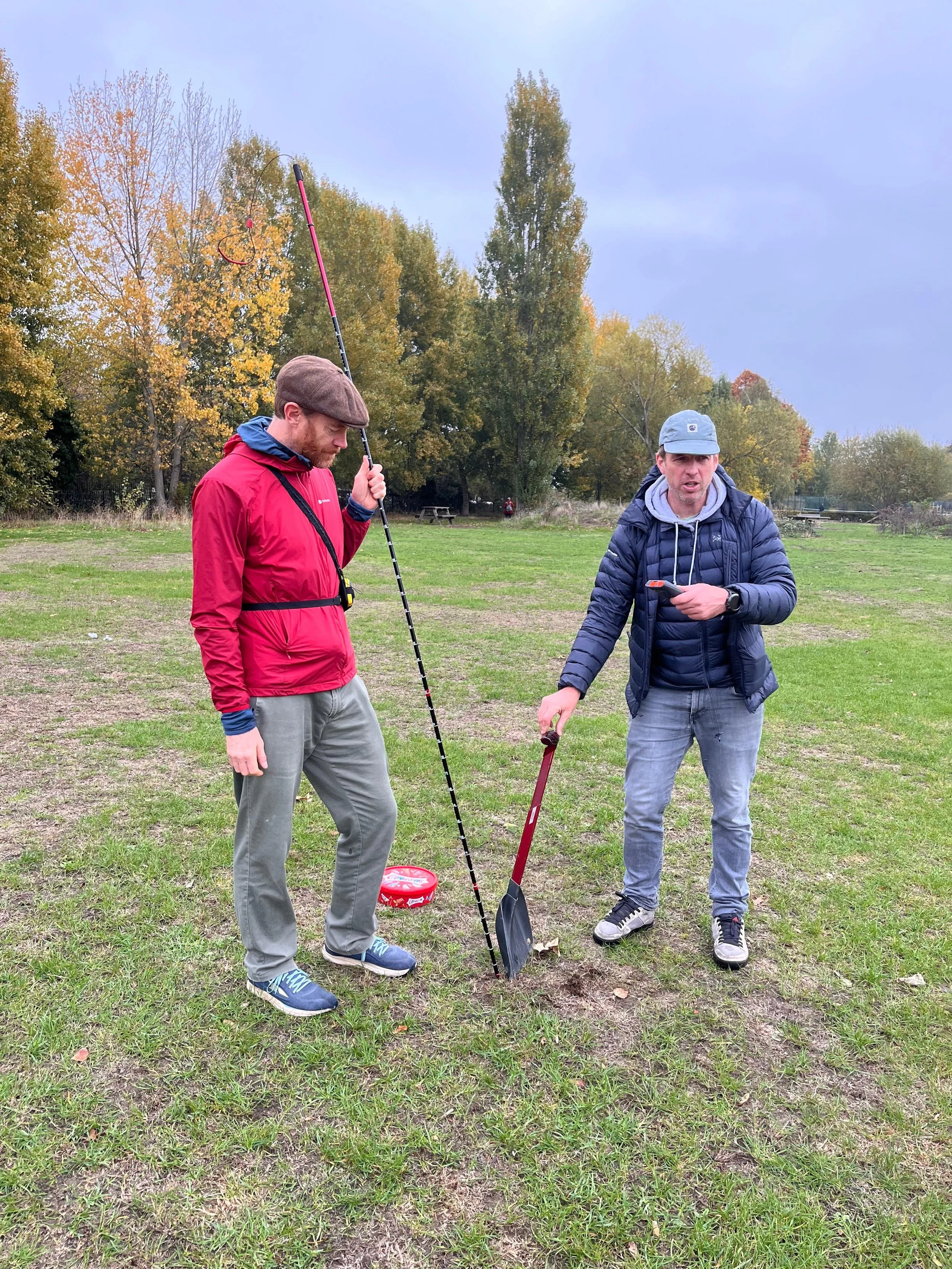
Digging: Harder to practice on grass, but doable! We run through shoveling techniques, how to arrange your team in a v-shaped conveyor-belt line-up, and the importance of rotating the front person to avoid burning out rescuers.
The 'Mark' Function: We work through the hiding of known signals using transceiver MARK functions during multi-burials, noting the critical detail that a beacon's search ability, and yours, can reduce with every additional victim marked.
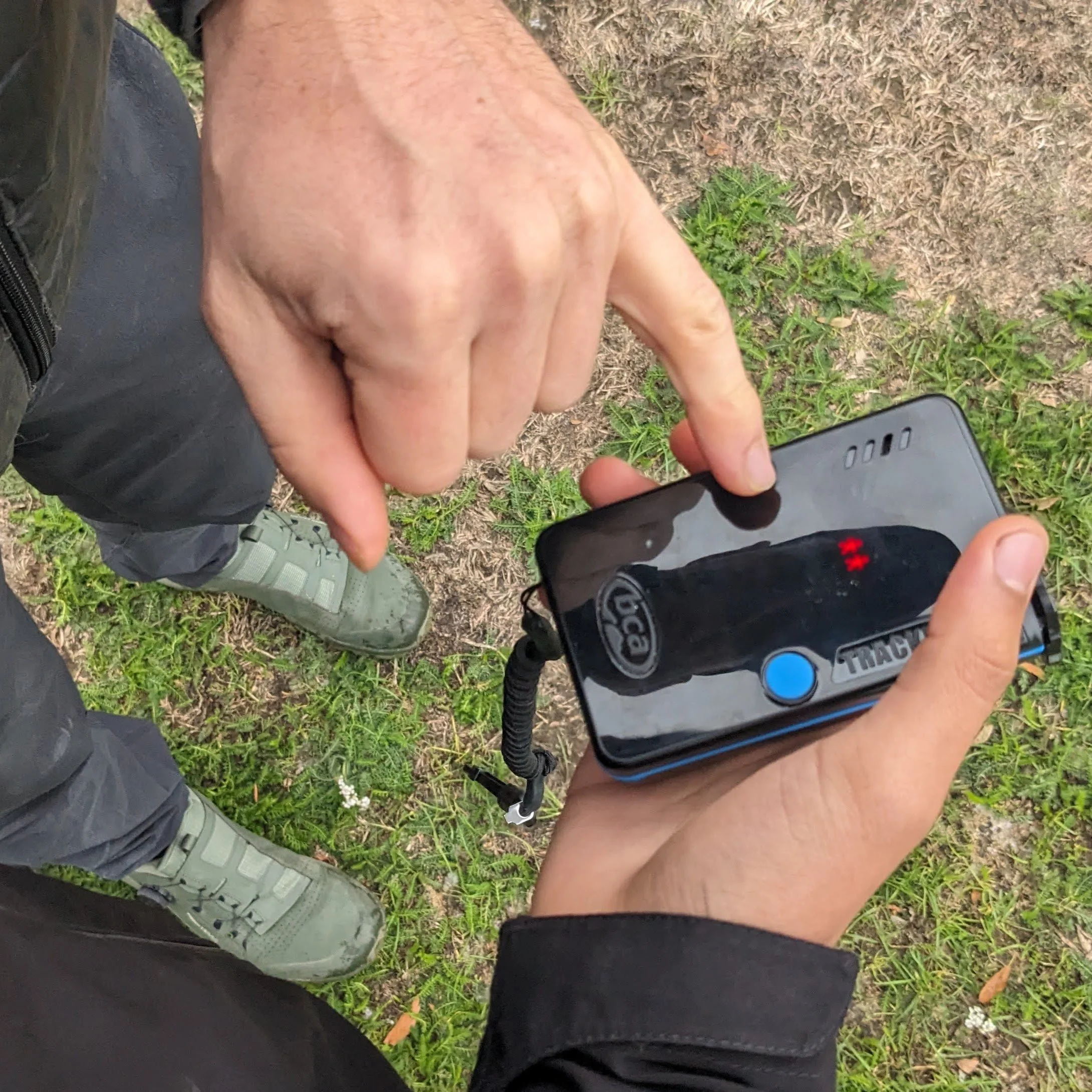
Using the MARK function to hide a known victim
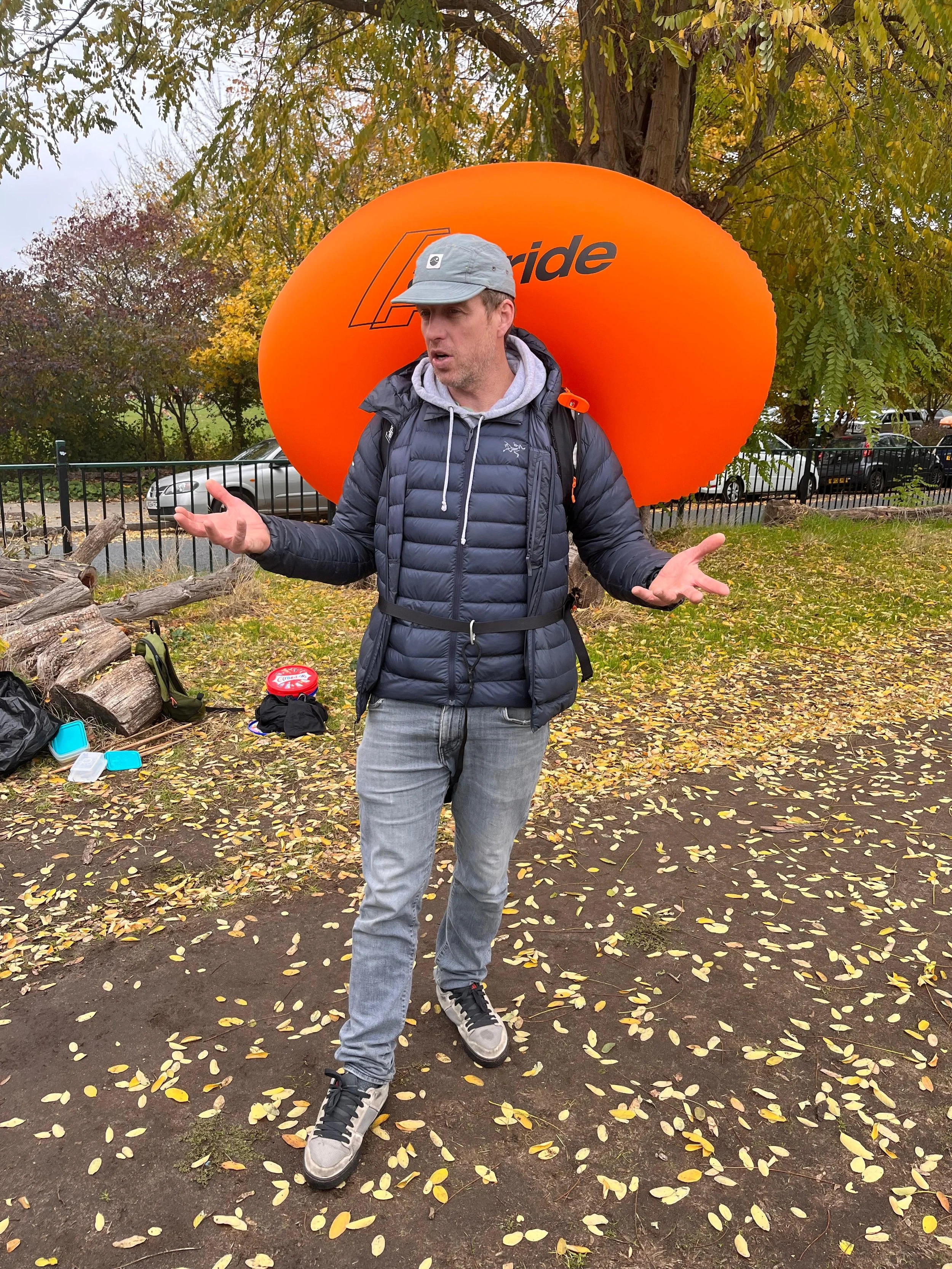
It’s behind you! (ok, this only works for fans of British pantomimes…)
Group Separation when skinning & riding: On maintaining safe spacing between riders when skinning up high-risk tracks or dropping into potentially suspect slopes, to minimize the risk of overloading one spot and reducing the chance of multiple people being swept away.
Group Dynamics & Expert Halo: We examine the psychological traps of the "expert halo," where group members uncritically defer to guides or strong riders instead of speaking up about potential red flags.
Designating a Search Leader: Interestingly, Owen’s advice is to avoid appointing a single search leader at the start of the search - arbitrarily designated leaders often buckle under the sudden pressure, better to let natural leadership emerge during a crisis. I’ve certainly witnessed that during on-mountain group practice sessions in the snow, where the nominated search leader ‘froze’ and others took over anyway.
Micro-Strip Search: We are introduced to the alternative “Micro search strip” technique, a systematic rectangular search pattern that can be useful in isolating the signal of individual buried transceivers in a multiple burial rescue situation.
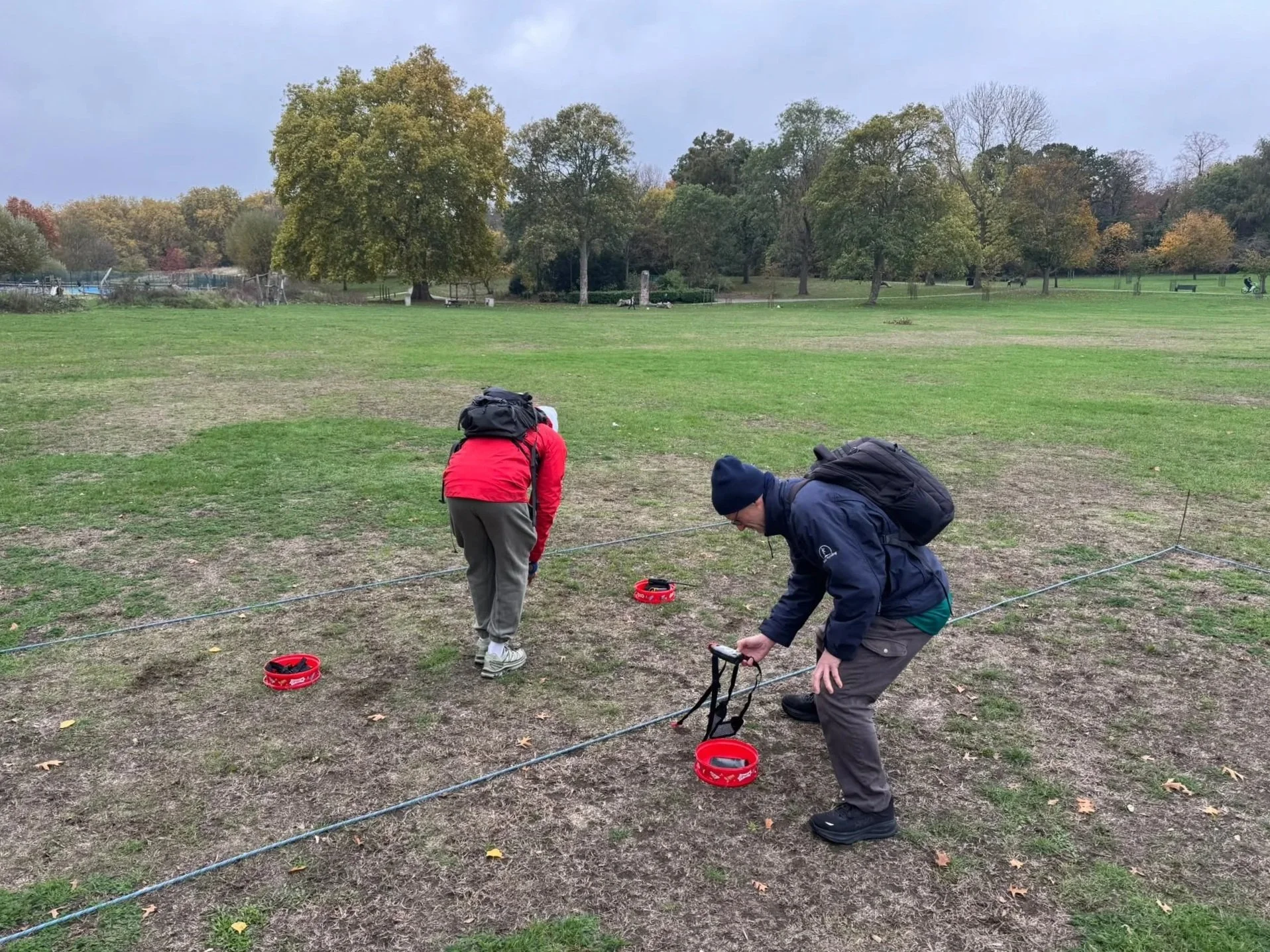
Using the alternative ‘micro search strip’ technique for multiple burials.
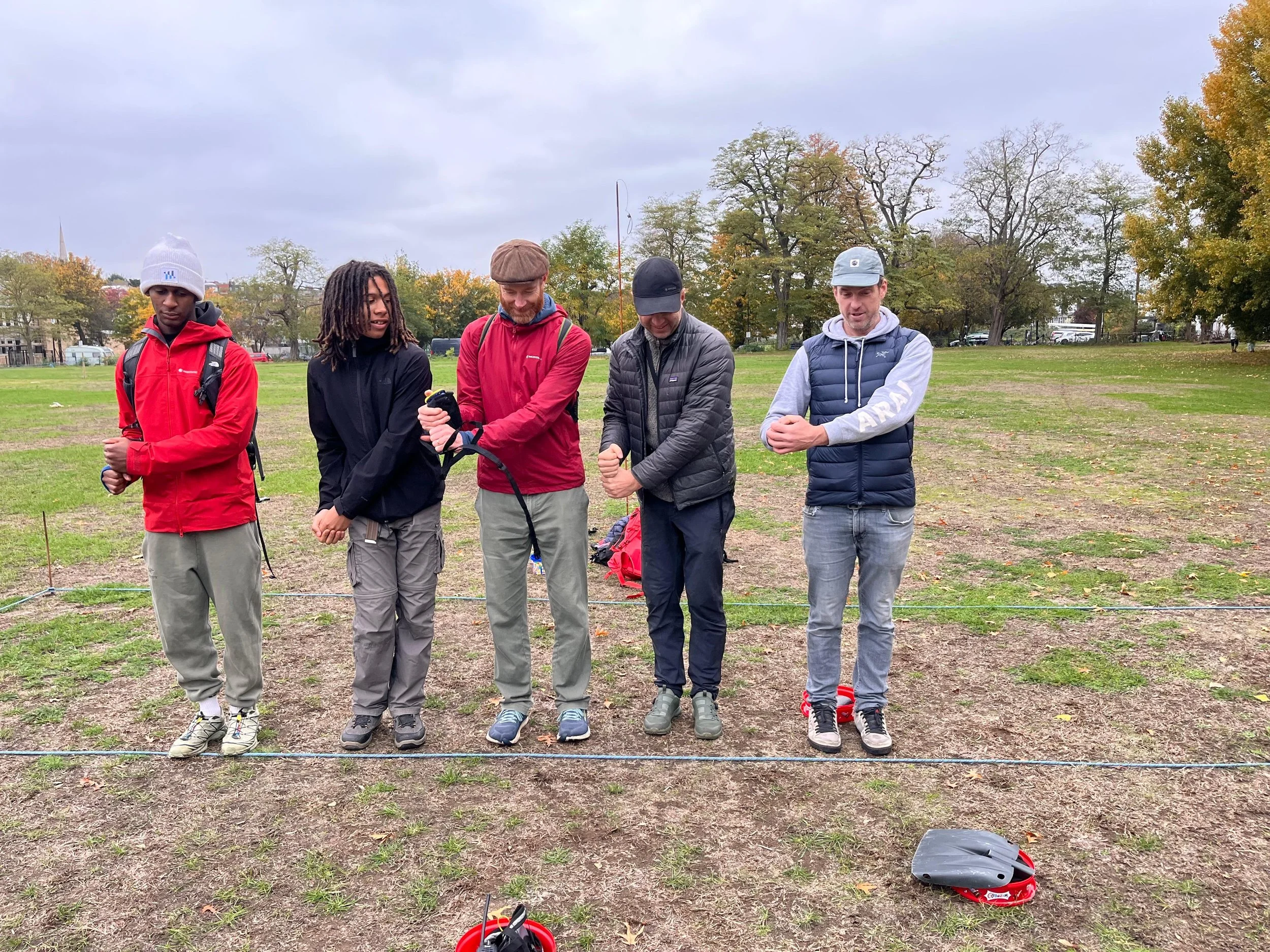
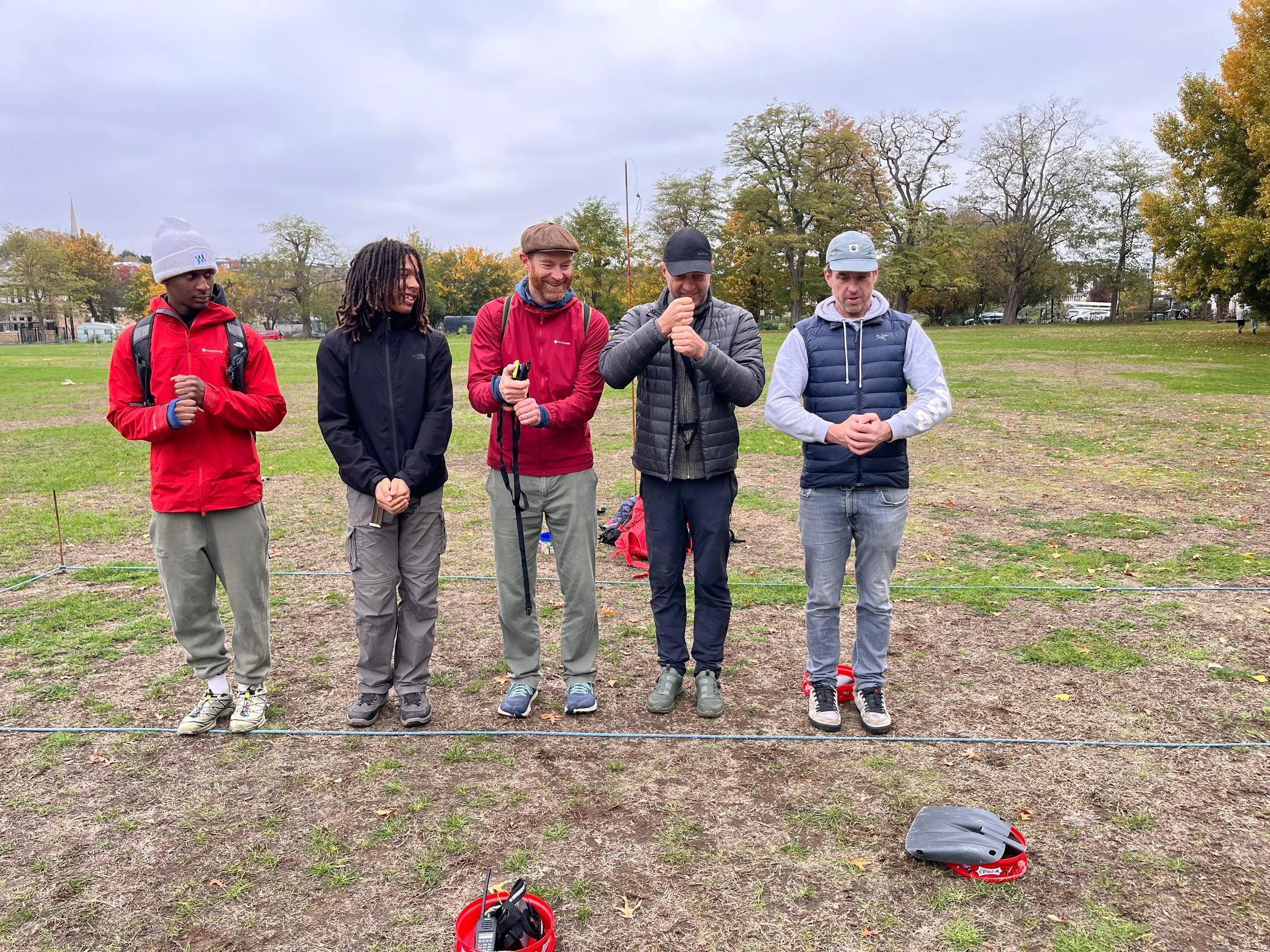
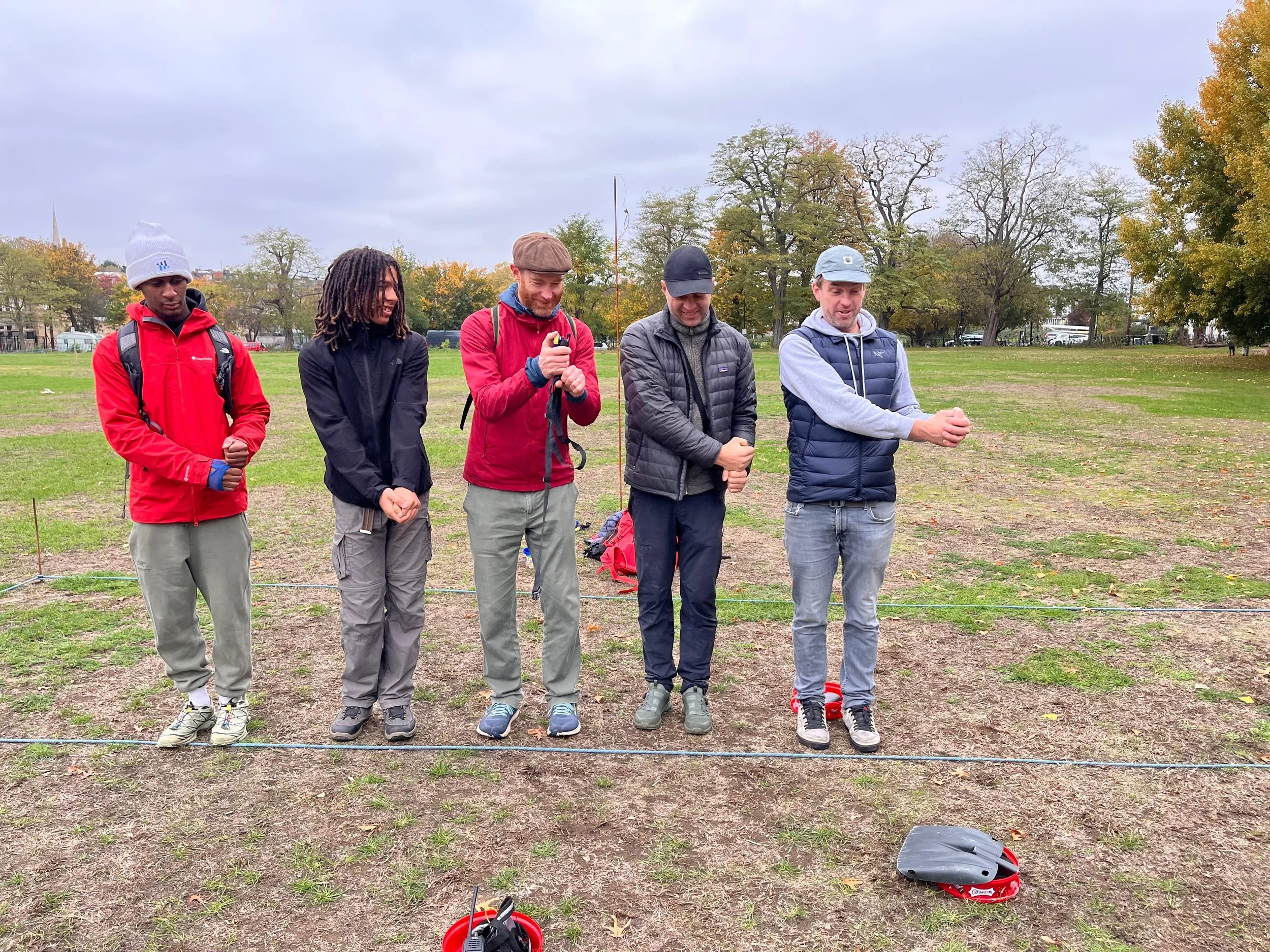
Pole-only Search: How to look like a dance-troupe - we pretend to use poles to locate someone who is buried without a functioning transceiver…
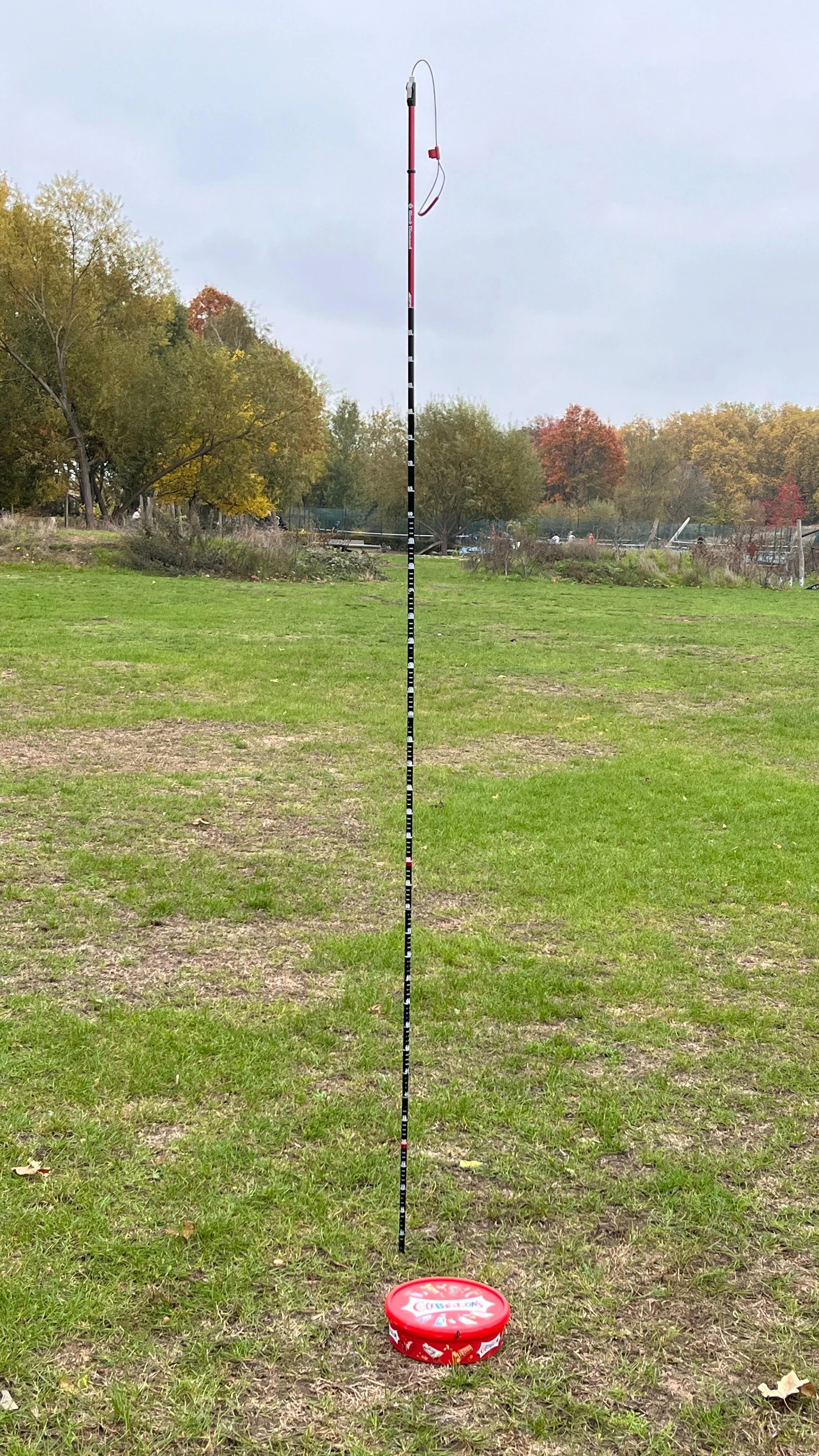
Probe Length: The session underscores why you should carry the longest probe possible—ideally 2.8m to 3m—since deep burials make shorter probes completely ineffective in deeper slides. We don’t get that much snow in Europe, you say? We can when the avalanche has gone down into a terrain trap and piled up there…
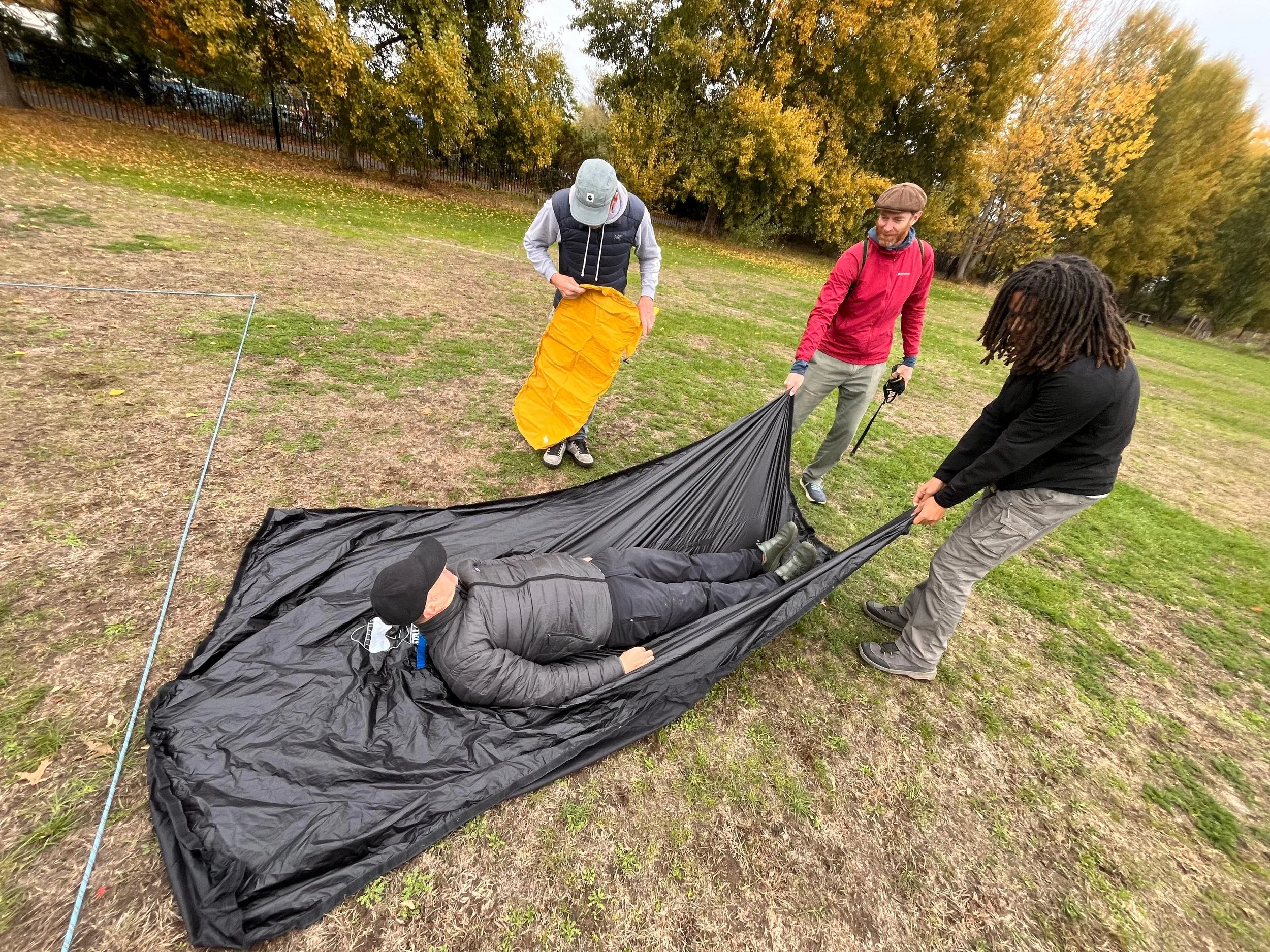
Post-Dig Care: Finally, we cover what to do once you’ve dug someone out - how to warm them up, how to transport them if needed - and to not give them a hot drink! (too hot, too soon, can kill)
This is a great way to start preparing for any season. I highly recommend doing the same with your mates and ski buddies, to re-familiarise with your kit, check that it’s actually all working, and practice the standard avi rescue techniques before hitting the slopes - you’ll be better prepared, and can even save yourself some time up there and have more for riding.
How to:
If you want guided practice sessions, then you can always check out local or national ski clubs, like the Eagle Ski Club in the UK.
Here at Backdrop, this is all the sort of thing we cover in our annual Backcountry Skills week - on the mountain during touring season, check it out.
You can also bone up on this, and a lot more, through the online mountain safety organisation, WeMountain - and get certificated for it as well: